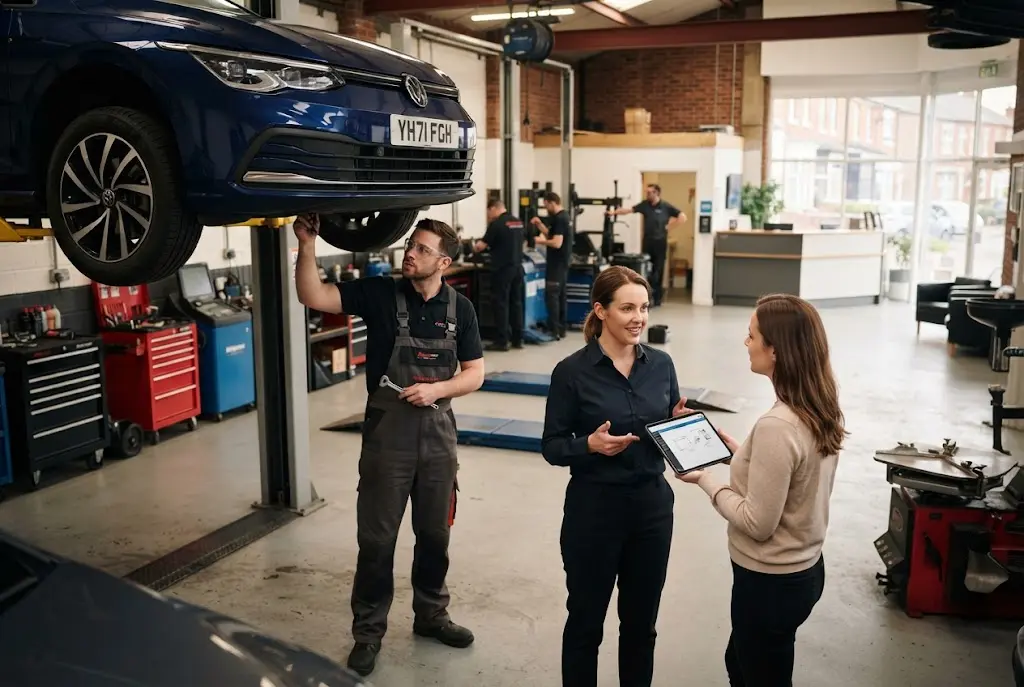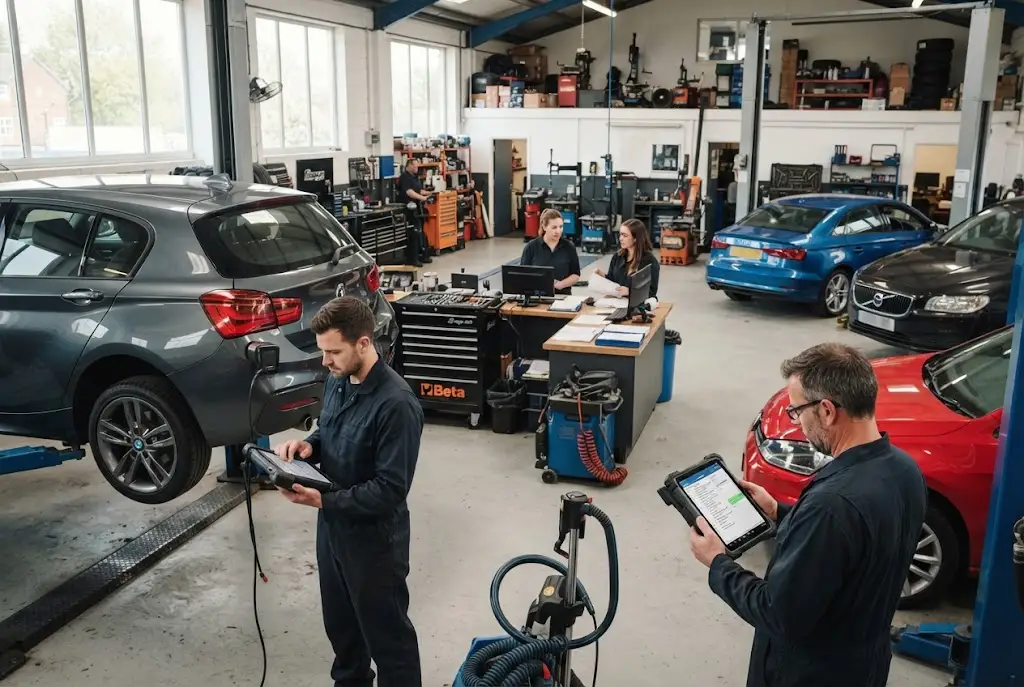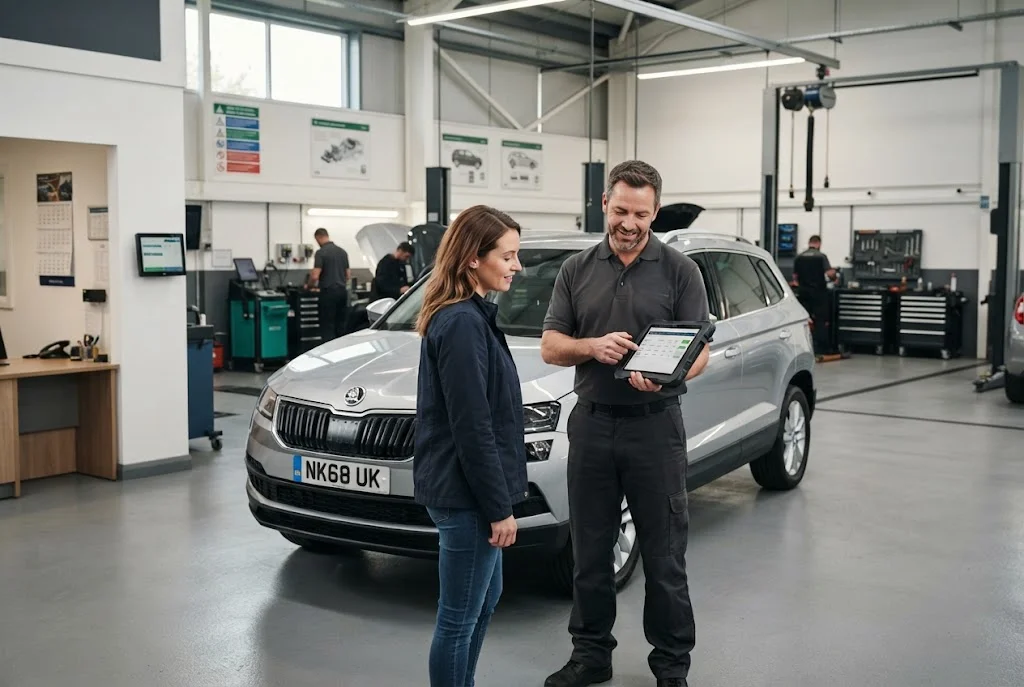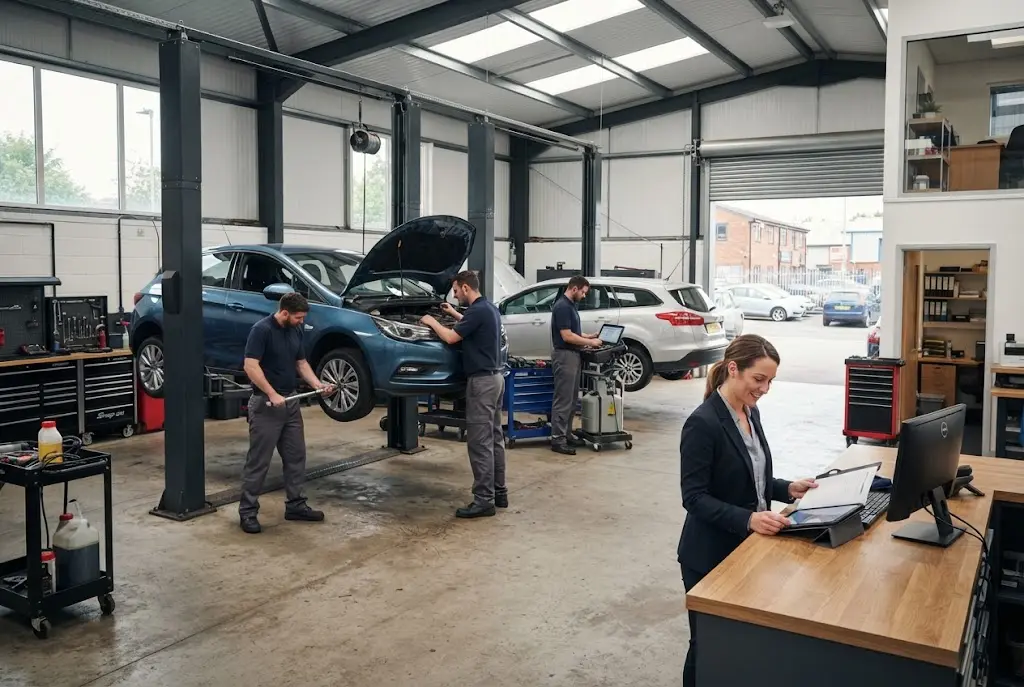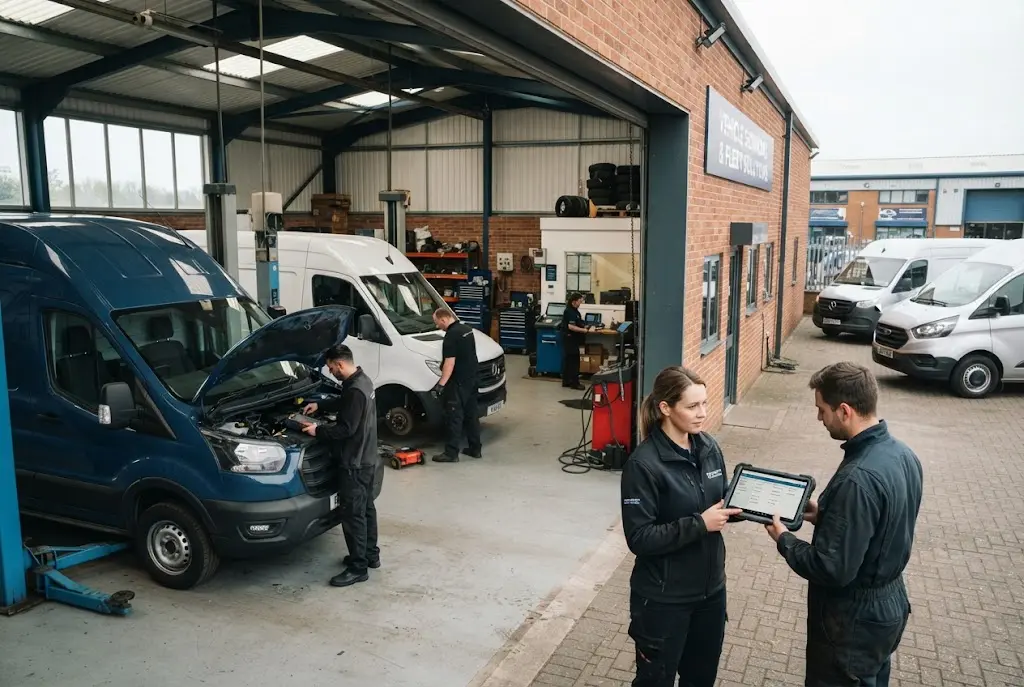
Vehicle maintenance is not only a routine requirement for motorists. For automotive businesses, it can also create opportunities to build longer-term customer relationships, develop fleet servicing partnerships and establish more predictable workshop demand. As businesses depend on cars, vans and other commercial vehicles to keep operating, reliable maintenance becomes an important part of managing their day-to-day operations.
For garages, the opportunity is to move beyond individual maintenance appointments and develop structured relationships with vehicle owners and fleet operators. Preventive maintenance, maintenance scheduling and service contracts can create a more organised approach to vehicle care while helping workshops plan their resources more effectively.
Why Vehicle Maintenance Matters to Modern Businesses
Every vehicle has ongoing maintenance requirements. Regular servicing and inspections can help owners identify issues and address maintenance needs before they develop into more disruptive problems. For businesses operating several vehicles, keeping track of those requirements becomes more complicated.
A fleet may contain vehicles with different ages, mileages, usage patterns and maintenance schedules. Without an organised system, important dates can be missed or workshop appointments can be arranged at inconvenient times.
This creates an opportunity for garages that can provide a structured maintenance service rather than simply responding whenever a vehicle develops a problem.
Fleet Servicing Can Create Long-Term Business Relationships
Fleet servicing involves maintaining multiple vehicles for a business or organisation. Depending on the fleet, this can include routine servicing, inspections, repairs and other agreed maintenance work.
Fleet customers can have different priorities from individual motorists. A business may be particularly concerned about vehicle availability, predictable scheduling, communication and keeping operational disruption under control.
A garage that understands these requirements can develop processes specifically designed around commercial customers. This may include dedicated booking arrangements, maintenance records and agreed communication procedures.
Preventive Maintenance Supports Better Planning
Preventive maintenance focuses on carrying out appropriate maintenance before a vehicle reaches a point where an avoidable issue disrupts its use. The precise maintenance requirements depend on the vehicle, manufacturer guidance, mileage, operating conditions and other relevant factors.
For fleet operators, planned maintenance can make vehicle care easier to organise. Instead of relying entirely on unexpected repair visits, maintenance activities can be incorporated into a broader schedule.
For garages, this can create a more predictable workflow. Appointments can be planned around available workshop capacity rather than being driven solely by urgent customer demand.
Maintenance Scheduling Can Improve Workshop Efficiency
Maintenance scheduling becomes increasingly important as the number of vehicles under management grows. A garage working with a fleet needs visibility of upcoming service requirements so that suitable appointments can be arranged.
Digital records can help track vehicle information and upcoming maintenance events. When combined with digital workshop operations and garage technology, scheduling can become part of a more connected workflow.
A structured process might track:
- Vehicle registration and identification details
- Current mileage
- Previous maintenance
- Upcoming servicing requirements
- Inspection dates
- Outstanding repair recommendations
- Scheduled workshop appointments
- Maintenance completion records
The precise information required will vary according to the fleet and the services being provided.
Fleet Management and the Role of the Garage
Fleet management can involve many responsibilities beyond workshop maintenance. Businesses may need to manage vehicle availability, operating costs, driver requirements, records and replacement decisions.
Garages do not necessarily need to take responsibility for every aspect of fleet management. Instead, they can focus on becoming a reliable maintenance partner within the fleet operator’s wider process.
Clear responsibilities are important. The fleet operator should understand which services the garage provides, what is included in an agreement and how additional work is authorised.
Commercial Vehicles Require a Practical Maintenance Approach
Commercial vehicles can be particularly important to businesses because they may directly support deliveries, field services, construction, logistics or other operational activities. When a vehicle is unavailable, the consequences can extend beyond the repair bill.
That makes communication and scheduling especially valuable. A fleet customer may need to know when a vehicle can be brought in, what work is expected and whether additional repairs could affect the planned completion time.
A garage serving commercial customers can therefore differentiate itself through dependable processes as well as technical capability.
Maintenance Planning Can Support Recurring Revenue
For garages, planned maintenance can provide a foundation for more predictable customer activity. Instead of relying exclusively on one-off repair visits, the workshop can build relationships around recurring maintenance requirements.
This model can complement structured car service plans and maintenance packages for individual customers. Fleet customers may require a different commercial arrangement, but the underlying principle is similar: maintenance is organised as an ongoing relationship rather than a series of disconnected transactions.
Recurring work can also make workshop planning easier when maintenance demand is distributed across the year.
Service Contracts Should Be Clear and Practical
Service contracts can define the relationship between a garage and a fleet customer. The exact structure will depend on the vehicles, services required and commercial agreement.
A contract may define areas such as:
- Included maintenance services
- Inspection and servicing arrangements
- Booking procedures
- Communication expectations
- Pricing and payment arrangements
- Approval requirements for additional repairs
- Record-keeping responsibilities
- Contract duration and renewal arrangements
Clear documentation helps both sides understand their responsibilities. It can also reduce disputes around whether particular work is included in an agreement.
Operational Efficiency Matters for Fleet Customers
Operational efficiency becomes particularly important when a garage handles multiple vehicles for one customer. Poor scheduling can create congestion in the workshop, while incomplete information can result in avoidable delays.
Garages should therefore consider how fleet work fits into their existing capacity. They may need dedicated booking slots, clear job prioritisation and processes for communicating unexpected delays.
Efficient operations can benefit both the garage and its fleet customers. The workshop can make better use of available technician capacity, while the business customer gains a more predictable maintenance process.
Digital Records Make Fleet Maintenance Easier to Manage
Paper records can become difficult to manage when a business operates multiple vehicles. Digital records can provide a centralised history for each vehicle, making previous maintenance and outstanding recommendations easier to access.
Digital systems may also make it easier to search for vehicles, review upcoming work and maintain consistent documentation. For larger operations, appropriate reporting tools can provide additional visibility into maintenance activity.
The value of technology depends on how well it fits the actual workflow. A complicated system that staff rarely update is less useful than a straightforward process that is consistently maintained.
Customer Communication Can Strengthen Fleet Relationships
Fleet customers often need practical information rather than generic marketing communication. Updates about appointment status, additional repair requirements and vehicle collection can help them plan their own operations.
Consistent communication also creates accountability. When the garage records important decisions and approvals clearly, both the workshop and customer have a better reference point for the work being completed.
This principle applies to individual motorists as well. Strong auto care services and customer experience processes can help garages build trust across different customer groups.
How Garages Can Develop a Fleet Maintenance Offering
A garage considering fleet servicing does not need to target every commercial operator immediately. A focused approach can make it easier to develop the necessary processes.
Start by defining the types of vehicles and customers the workshop can serve effectively. Then establish the maintenance services, booking procedures and communication standards that will form the core offering.
The garage should also assess workshop capacity. Taking on a fleet contract without sufficient capacity can create pressure on existing customers and technicians. Sustainable growth requires the business to understand how new commercial work will fit into its normal operations.
Measure the Performance of Fleet Maintenance
Once a fleet maintenance service is established, the garage should monitor its performance. Useful measures may include scheduled versus completed maintenance, vehicle turnaround time, workshop utilisation, repeat repair requirements and customer communication issues.
Reviewing these measures can identify opportunities for improvement. If vehicles regularly arrive without the information required to begin work, for example, the booking process may need to be improved.
Likewise, recurring delays can indicate a need to review parts planning, scheduling or technician allocation.
Build Vehicle Maintenance Into a Wider Growth Strategy
Vehicle maintenance can become an important part of an automotive business’s growth strategy when it is supported by efficient processes. Individual servicing customers, maintenance plan members and commercial fleet clients can each contribute to a broader customer base.
The key is to avoid treating fleet maintenance simply as additional repair volume. It should be managed as a structured service with appropriate scheduling, communication, documentation and capacity planning.
Garages that are already improving repair management and workshop productivity may find that the same operational discipline provides a useful foundation for supporting commercial maintenance relationships.
Final Thoughts
Vehicle maintenance can provide automotive garages with more than routine service work. By developing preventive maintenance processes, organised scheduling and suitable fleet servicing arrangements, workshops can build stronger relationships with businesses that depend on reliable vehicles.
Service contracts and maintenance planning can also create more predictable workshop activity, provided the commercial model is designed around realistic capacity and clear responsibilities. Digital records and communication tools can further improve visibility and coordination.
The opportunity is ultimately about becoming a dependable maintenance partner. When a garage combines technical service quality with efficient processes and professional communication, it can create a foundation for sustainable relationships with both individual motorists and commercial fleet operators.