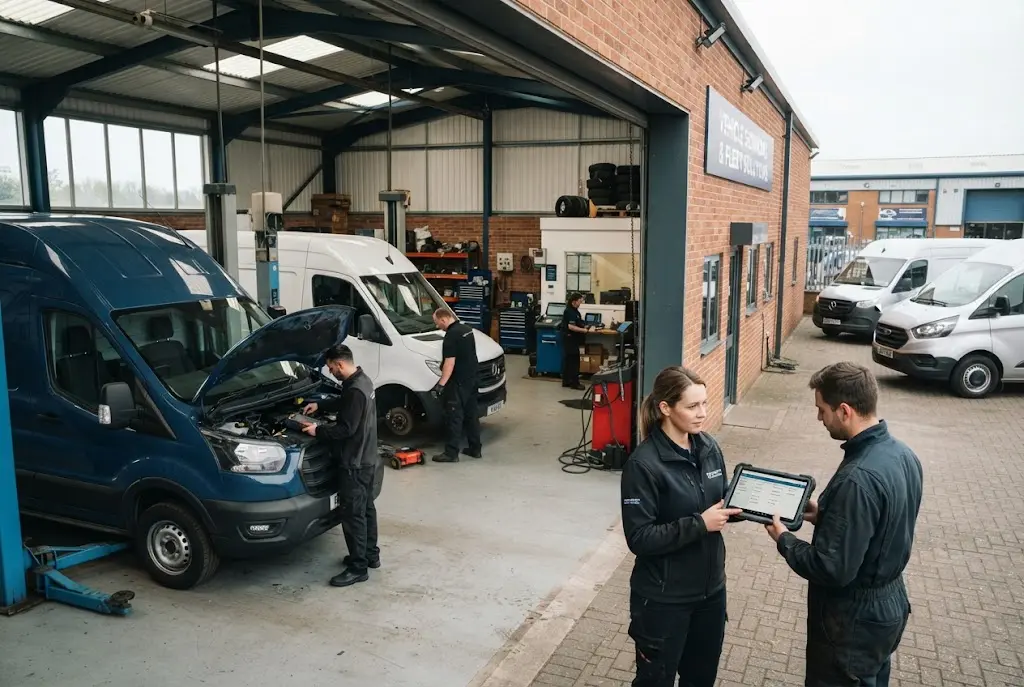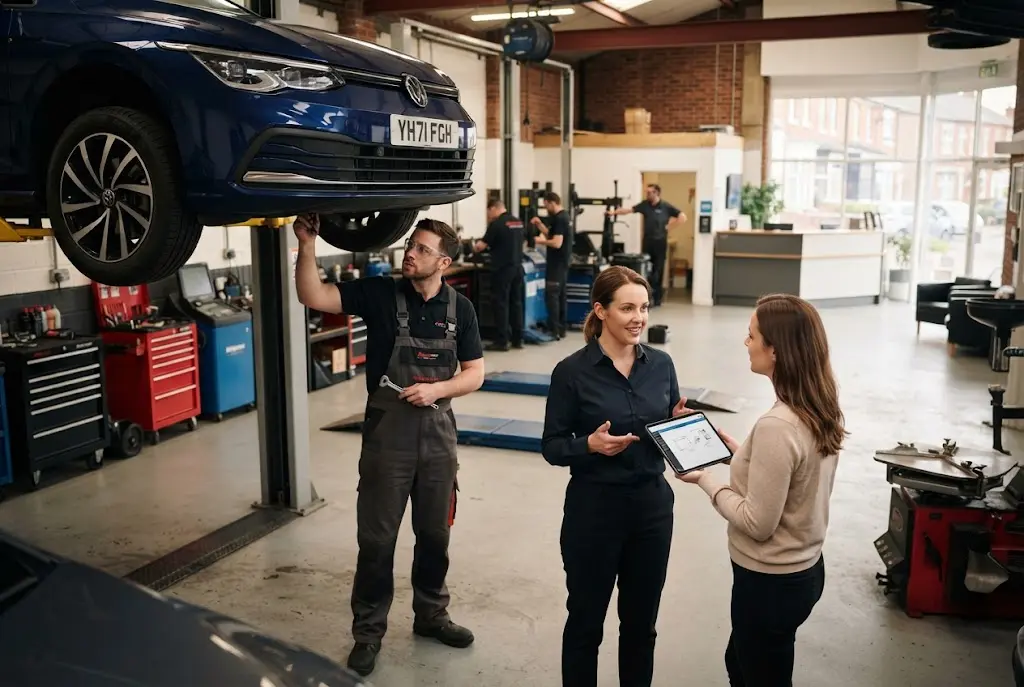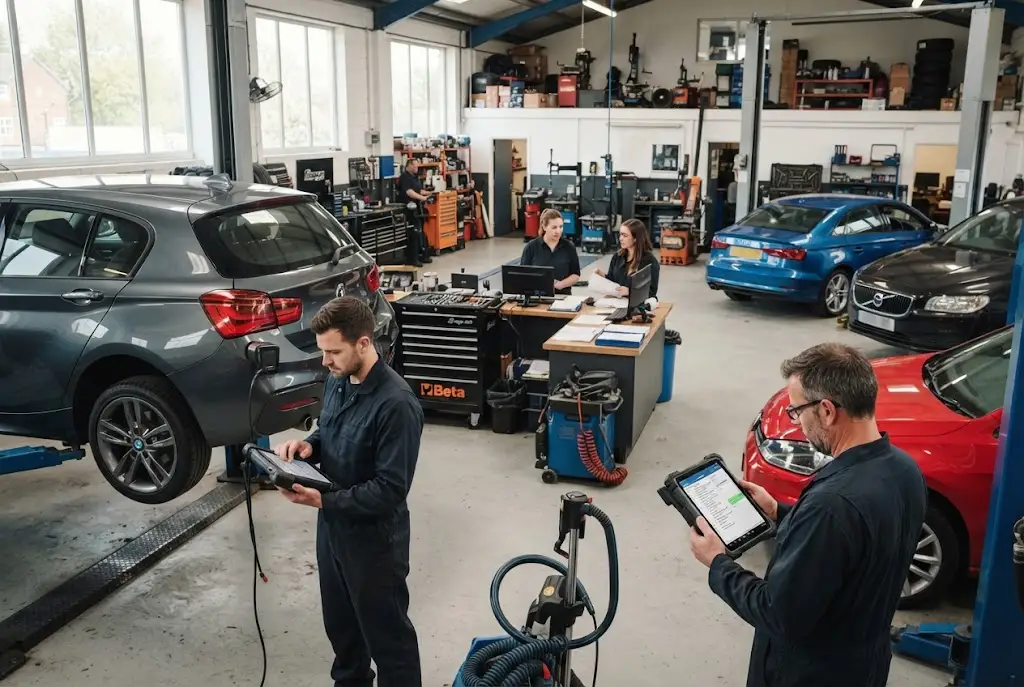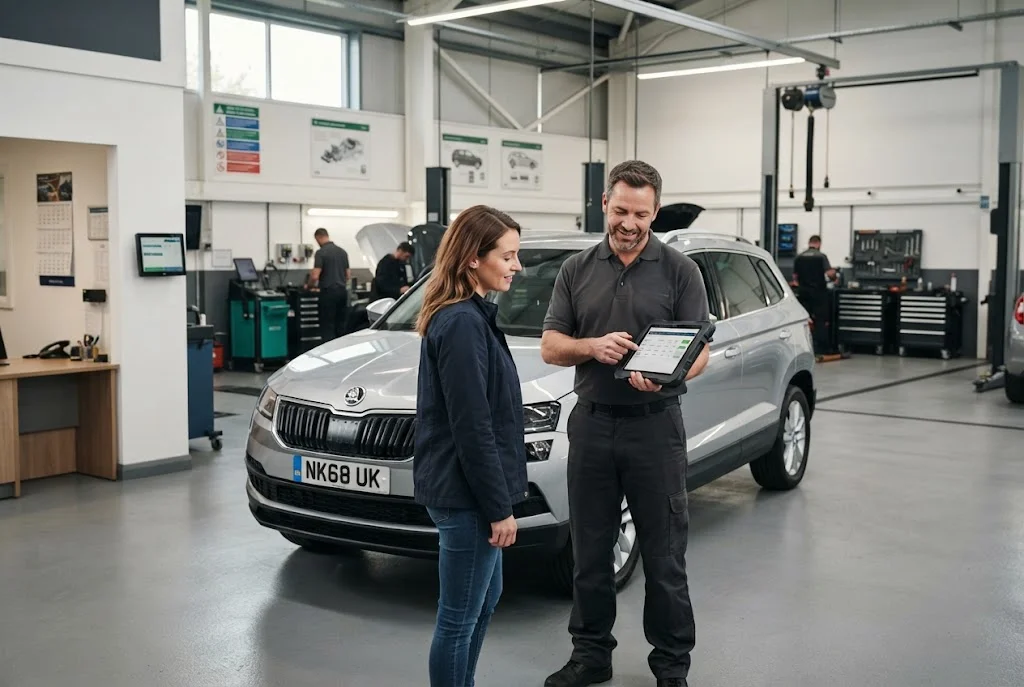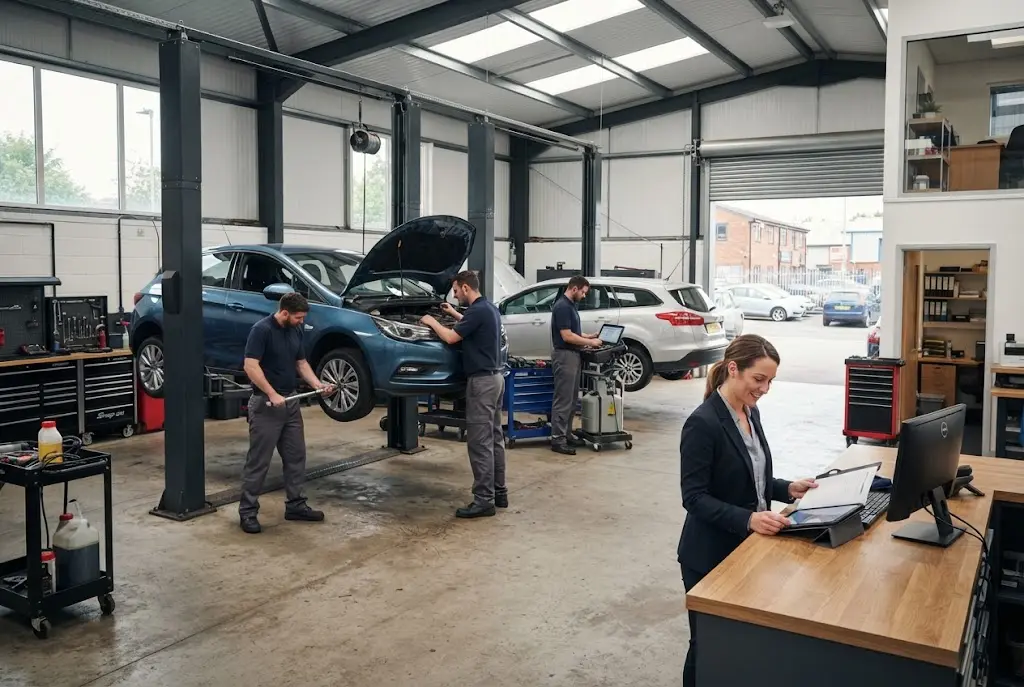
An auto service garage no longer needs to rely entirely on paper job cards, phone calls, spreadsheets and manual reminders to manage daily operations. Digital tools can connect bookings, customer records, vehicle information, technician workflows, invoicing and follow-up activity into a more organised service operation. For independent garages and growing automotive businesses, the goal is not to replace experienced people with technology. It is to give the team better information, reduce avoidable administration and create a more consistent customer experience.
Digital transformation can also support broader improvements in workshop management. When the right systems are connected, garage owners can see what work is booked, which technicians are available, what vehicles are being serviced and where delays are occurring. This creates a stronger foundation for service optimisation and sustainable business growth.
Why an Auto Service Garage Needs Digital Operations
Many garages still manage important processes across several disconnected systems. A customer may call to make an appointment, a technician may receive a handwritten job card, parts information may sit elsewhere, and customer follow-up may depend on someone remembering to make a phone call.
These processes can work when a business is small. However, as appointment volumes increase, manual administration becomes harder to control. Missed calls, booking errors, delayed updates and incomplete customer records can affect both productivity and customer satisfaction.
Digital operations bring these activities into a more structured workflow. Instead of treating each task as a separate administrative responsibility, a garage can create connected processes covering booking, vehicle intake, diagnosis, repair, payment and follow-up.
How Garage Software Improves Workshop Management
Modern garage software can provide a central location for managing customers, vehicles, appointments, jobs and service history. The exact features vary between systems, so garages should choose technology according to their actual workflow rather than buying the largest platform available.
A useful system may help a workshop manage:
- Customer and vehicle records
- Appointment scheduling
- Digital job cards
- Technician assignments
- Vehicle service history
- Inspection and repair notes
- Parts and job information
- Invoices and payment records
- Customer communications
- Service reminders and follow-up tasks
The main benefit is visibility. Staff can spend less time searching through separate records and more time working through clearly defined service processes.
Digital Service Booking Can Reduce Friction
Phone bookings remain useful, particularly for customers who want to discuss a vehicle problem before making an appointment. However, digital service booking can give customers another convenient way to arrange routine work.
An online booking process can allow customers to select a service, provide basic vehicle information, choose an available appointment and submit their contact details. The garage can then receive the request in a structured format rather than manually recording every detail from a phone conversation.
For an auto service garage, this can make appointment administration easier while giving customers access to the business outside traditional opening hours. A good booking process should remain simple. Asking for too much information at the first stage can create unnecessary friction.
Using Service Automation Without Losing the Human Touch
Service automation is most useful when it handles repetitive administrative work rather than replacing important customer conversations. Automated reminders, booking confirmations, service updates and follow-up messages can reduce the amount of routine communication staff have to manage manually.
For example, a digital workflow could send a booking confirmation after an appointment is created, provide an update when a vehicle enters the workshop and trigger a follow-up message after the job is completed. Staff can then concentrate on situations that genuinely require personal attention.
Automation should also be controlled carefully. Customers should receive useful communications at appropriate times, and businesses need to handle personal information responsibly. Garages using customer databases and communication platforms should consider their data protection responsibilities and consult guidance from the Information Commissioner’s Office where appropriate.
Workshop Technology Should Support Technicians
Technology should not be introduced simply because it is available. The best workshop technology supports technicians and service advisors without creating unnecessary administrative work.
Digital job cards, inspection records and vehicle histories can help technicians access relevant information without searching through paper files. Service advisors can also provide clearer updates to customers because information from the workshop can be recorded in one place.
Before introducing a new system, garage owners should involve the people who will use it every day. Technicians and service advisors can identify practical problems that may not be obvious from a software demonstration.
CRM for Garages Can Strengthen Customer Retention
A customer relationship management system can help an auto service garage build a more complete view of its customer relationships. Instead of treating every visit as an isolated transaction, the business can maintain a history of previous services, communications and customer preferences.
CRM for garages can be particularly useful for reminding customers about future maintenance. A customer who previously used the garage for servicing may need another service later, and an organised customer record makes follow-up easier.
The objective is not to send customers constant promotional messages. It is to make communication more relevant. Useful reminders about servicing, inspections or previously discussed work can create a more professional experience than generic marketing messages.
Connect Digital Systems Around the Customer Journey
Digital transformation works best when individual tools are connected around a clear customer journey. A booking platform that does not communicate with the workshop schedule may create additional administration instead of reducing it.
A more connected process could look like this:
- The customer requests an appointment online or by phone.
- The booking is recorded against the correct customer and vehicle.
- The workshop receives the job details.
- The vehicle is inspected and work is recorded digitally.
- The customer receives relevant progress information.
- Completed work is recorded in the vehicle history.
- The invoice and payment status are updated.
- A suitable after-service follow-up is scheduled.
This approach creates a consistent information flow from the initial enquiry through to after-sales service.
Measuring Service Optimisation
Technology becomes more valuable when a garage measures whether it is actually improving operations. Owners should establish a small number of practical performance indicators instead of collecting data without a clear purpose.
Useful areas to monitor can include appointment utilisation, vehicle turnaround time, customer response times, cancelled appointments, repeat visits, technician workload and outstanding administrative tasks.
These measurements can reveal where processes need improvement. For example, repeated booking delays may indicate a scheduling problem, while frequent customer enquiries about job progress could suggest that communication needs to be improved.
Building a Digital Roadmap for an Auto Service Garage
Digital transformation does not need to happen all at once. In fact, introducing too many systems simultaneously can make adoption more difficult.
A practical roadmap can begin with the areas causing the greatest operational friction. A garage might first organise its customer and vehicle records, then introduce digital booking, followed by digital job management and automated customer communications.
Once the core workflow is stable, the business can evaluate additional tools for reporting, CRM, marketing and operational analysis. Each new system should have a clear purpose and fit into the existing process.
What Makes Digital Transformation Successful?
The technology itself is only one part of the process. Successful digital transformation also requires clear procedures, staff training and consistent use.
Garage owners should document how bookings are handled, how jobs move through the workshop, how customer updates are communicated and how completed work is recorded. Staff should understand not only how to use the software but also why the new workflow exists.
Regular reviews can then identify areas where the process is creating value and areas that need adjustment. This creates a continuous approach to service optimisation rather than treating digital transformation as a one-time software purchase.
Final Thoughts
For an auto service garage, digital transformation is ultimately about creating a more connected and manageable operation. Garage software, digital service booking, CRM systems, automation and workshop technology can reduce repetitive administration while improving visibility across the customer and vehicle journey.
The strongest approach is practical rather than technology-driven. Start with genuine operational problems, introduce tools that solve those problems and build connected workflows gradually. When digital operations support technicians, service advisors and customers at the same time, technology becomes part of a better service experience rather than another layer of complexity.