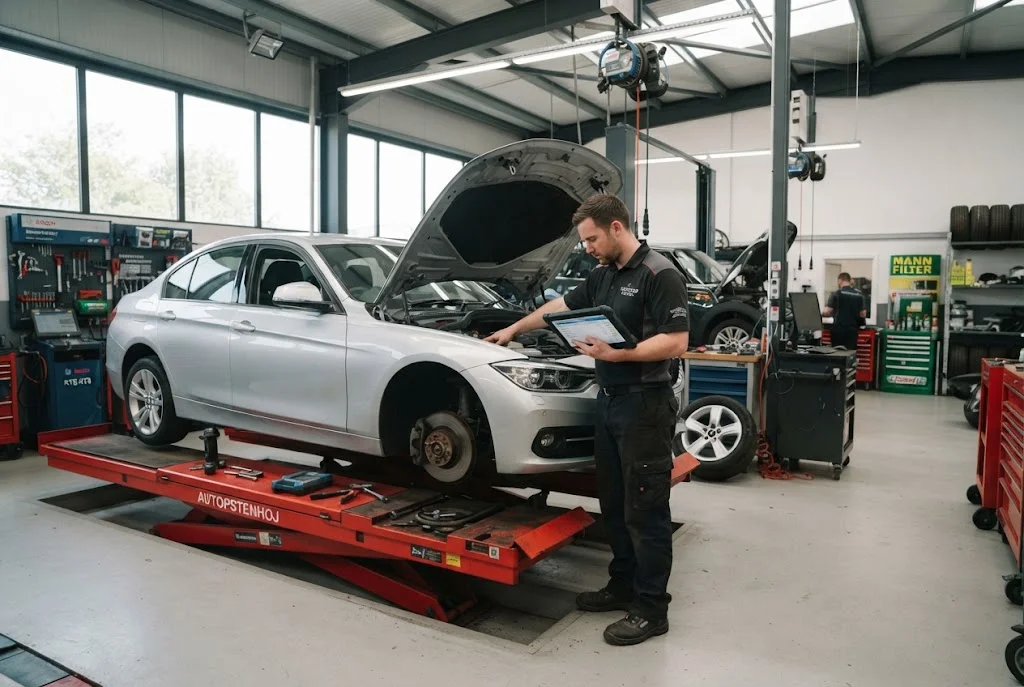
Understanding car service cost is essential for both customers and automotive businesses. For a garage, setting the right price involves much more than adding up parts and labour. A sustainable pricing strategy must account for technician time, equipment, overheads, diagnostic work, business costs and the value delivered to the customer. At the same time, prices need to remain competitive enough to attract and retain customers.
For modern workshops, effective service pricing can also create opportunities to package maintenance work, introduce value-added offerings and improve profit margins without compromising customer trust. A structured approach makes pricing easier to explain and provides a stronger foundation for long-term business growth.
What Determines Car Service Cost?
There is no single price that applies to every vehicle service. The final car service cost depends on several variables, including the vehicle’s make and model, mileage, service requirements, parts used and the amount of technician time involved.
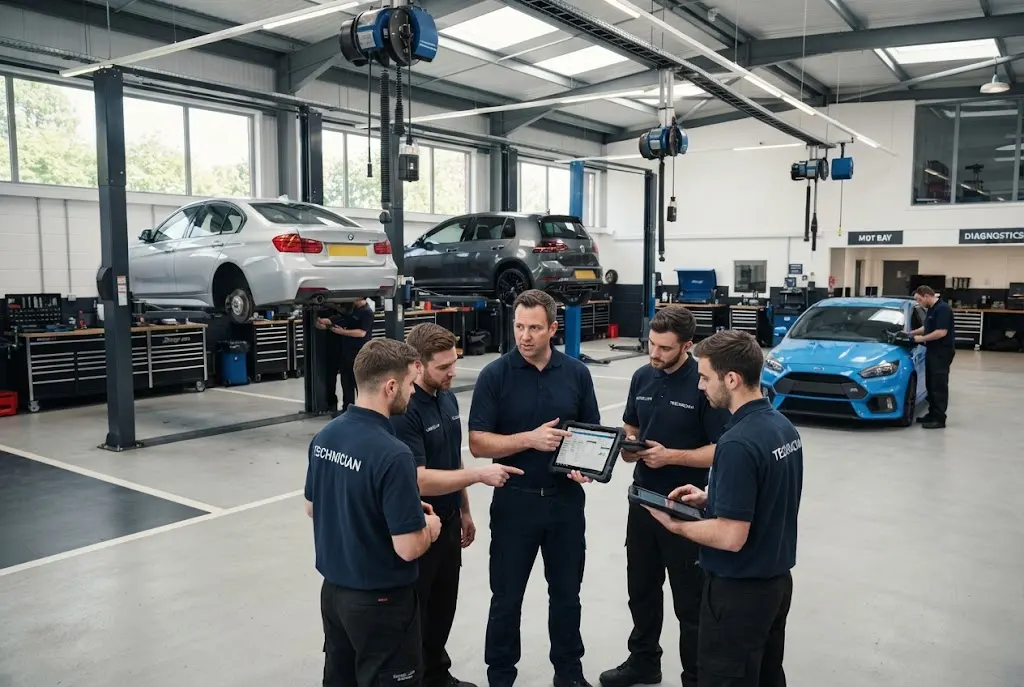
Routine servicing may include checks, fluid replacement, oil and filter changes, inspections and other scheduled maintenance. More comprehensive work can require additional components, diagnostic testing or specialist labour.
Location also affects operating costs. A workshop with higher rent, larger premises or more specialised equipment may have a different cost structure from a smaller independent garage. These expenses need to be reflected in sustainable service pricing.
Building a Practical Pricing Strategy
A strong pricing strategy starts with understanding the actual cost of delivering each service. Garages should consider direct costs such as parts and technician labour alongside indirect costs such as premises, utilities, insurance, equipment, software and administration.
Once these costs are understood, a garage can establish pricing levels that support its operating model. The objective is not necessarily to become the cheapest provider. Instead, pricing should communicate what customers receive while allowing the business to operate sustainably.
Clear pricing structures can also make conversations with customers easier. When a quotation explains the work involved, required parts and expected service outcomes, customers have a clearer basis for making decisions.
Repair Pricing Versus Routine Maintenance Pricing
Repair pricing and maintenance pricing require different approaches. Routine maintenance is often easier to standardise because garages can define common service packages and estimate the labour involved.
Repairs are more variable. A customer may arrive with a symptom rather than a confirmed fault, meaning diagnostic time can be required before the actual repair is identified. A transparent pricing process should distinguish between inspection or diagnostic work and the subsequent repair.
This distinction helps prevent misunderstandings. It also gives technicians sufficient time to investigate problems properly rather than encouraging rushed diagnosis simply to meet an overly restrictive fixed price.
Using Bundled Services to Increase Customer Value
Bundled services can provide a practical way to simplify purchasing while increasing the value of each customer visit. Instead of presenting every maintenance item separately, a garage can create clearly defined packages around common vehicle needs.
For example, a maintenance package could combine an oil and filter change with a multi-point vehicle check and selected fluid inspections. A more comprehensive package might include additional checks appropriate to the vehicle’s mileage or service schedule.
Packages should remain transparent. Customers should be able to understand what is included, what is excluded and whether additional work may be recommended after inspection. This approach creates a better customer experience than using bundles simply to hide additional charges.
When Value-Based Pricing Makes Sense
Value-based pricing focuses on the benefits and expertise associated with a service rather than relying solely on the underlying cost. This can be particularly relevant for specialist diagnostic work, complex repairs and premium inspection services.
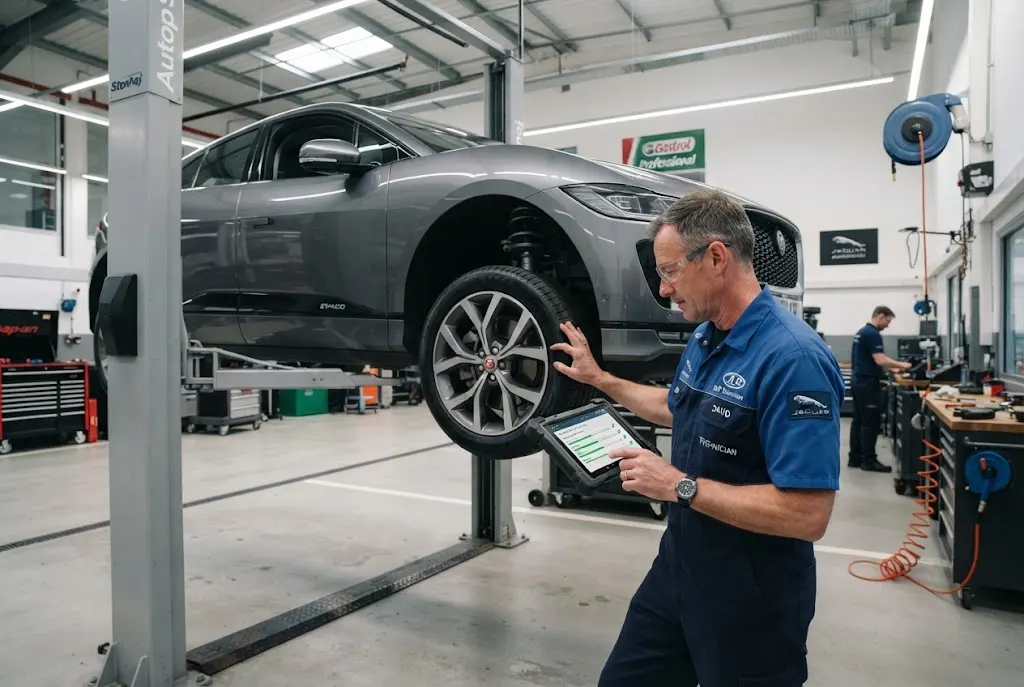
A garage investing in advanced diagnostic equipment, specialist training and experienced technicians may provide a different level of service from a business competing primarily on basic labour rates. Pricing can therefore reflect the expertise, convenience and confidence delivered to the customer.
However, value-based pricing works best when the value can be explained clearly. Customers should understand why a specialist service costs more and what they receive in return.
Protecting Profit Margins Without Losing Trust
Healthy profit margins allow a workshop to invest in equipment, training, premises and future services. They also provide the financial resilience needed when parts costs, wages or other operating expenses change.
Trying to maintain extremely low prices can create problems if the business cannot cover its true operating costs. Over time, this can affect staffing, equipment quality and customer service.
Instead, garages should regularly review costs and compare them with actual sales performance. Tracking labour utilisation, parts margins, average invoice value and recurring customer work can reveal where pricing needs attention.
Pricing Optimisation for Modern Garages
Pricing optimisation is an ongoing process rather than a one-time exercise. A garage should periodically review its service menu, customer demand, competitor positioning and operating costs.
Digital booking systems and workshop management software can make this process easier by providing useful information about which services are most frequently purchased and how much time technicians spend on different jobs.
Data can also help identify opportunities for better service packages. If customers frequently purchase several related services during separate visits, combining suitable items into a convenient package may improve both customer convenience and workshop efficiency.
How Inspection Services Can Support Revenue
Inspection work can form an important part of a broader automotive pricing model. Auto inspection services can include vehicle checks, pre-purchase inspections and diagnostic assessments that address customer needs beyond routine servicing.
These services can also introduce customers to a workshop before they require major repair work. A clearly structured inspection report can identify maintenance requirements while giving the customer useful information about the condition of the vehicle.
For garages, this creates an opportunity to develop inspection packages and other value-added offerings without relying entirely on conventional servicing revenue.
Mobile Services and Flexible Pricing
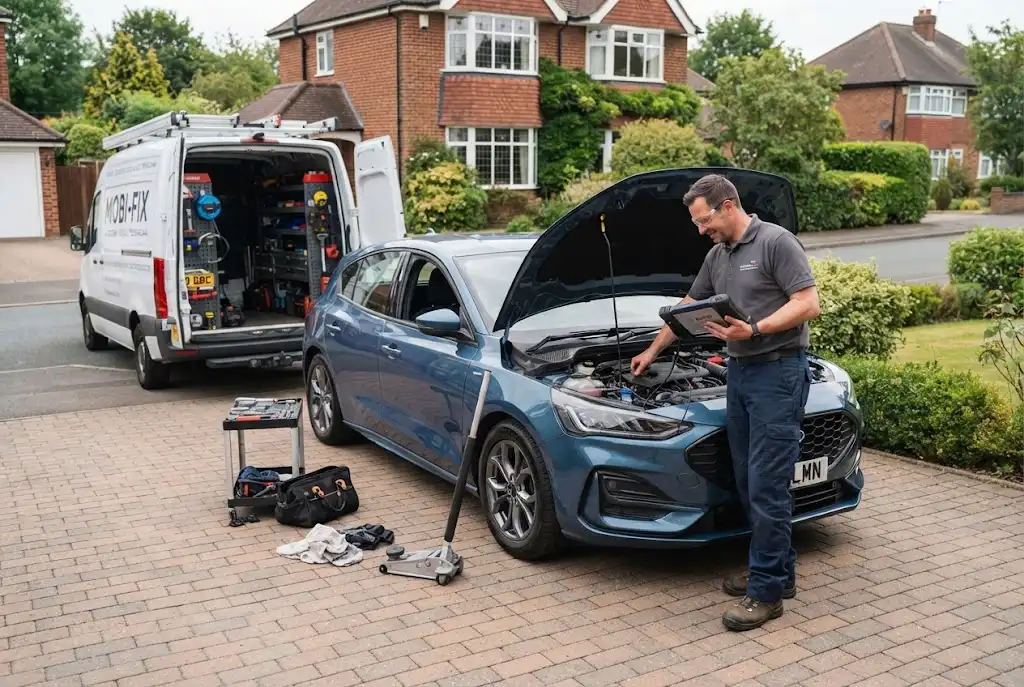
The expansion of mobile auto service is another development that can influence automotive pricing. On-site servicing and mobile mechanic operations introduce different cost considerations because technicians may travel directly to customers.
Customers may be willing to pay for the convenience of having work completed at home, at work or another suitable location. However, mobile pricing needs to account for travel time, equipment requirements, scheduling efficiency and the type of work that can realistically be performed away from a conventional workshop.
As mobile services expand, garages may need separate pricing structures for workshop-based and on-site services rather than applying exactly the same model to both.
Pricing for the Future of Automotive Services
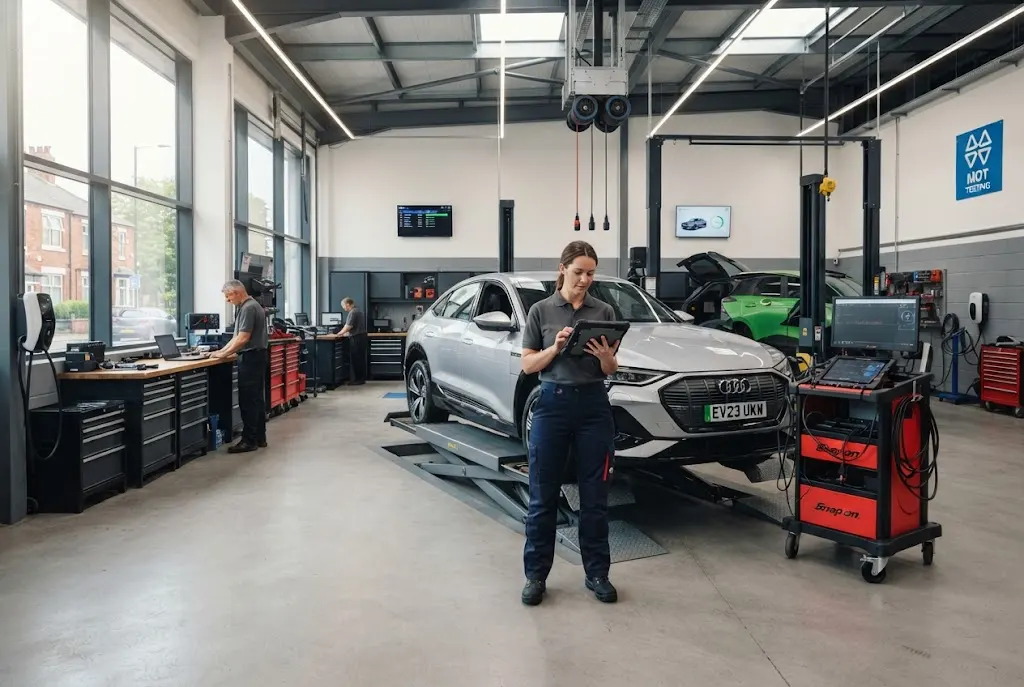
Pricing models will continue to evolve as the automotive sector changes. Electric vehicles, connected vehicle systems, advanced diagnostics and new customer expectations are already influencing the services that workshops provide.
A modern garage therefore needs to consider more than today’s labour rates. Investment in technician development, diagnostic capabilities and digital systems can create new service opportunities while supporting long-term business resilience.
This broader approach connects pricing with the wider development of the automotive service business. Future-focused garages can use pricing as part of a larger strategy covering technology, customer experience and operational efficiency.
Creating a Sustainable Service Pricing Model
A sustainable model should begin with accurate cost information and then consider customer expectations, market positioning and the value provided by the workshop. From there, garages can establish straightforward prices for routine services while using quotations for work where the scope cannot be known in advance.
It is also useful to review pricing regularly instead of waiting for financial pressure to force changes. Small, measured adjustments can be easier for customers to understand than large unexpected increases after several years of unchanged prices.
Clear communication remains central throughout the process. Customers are more likely to understand a price when the garage explains what is included, why particular work is recommended and what alternatives may be available.
Why Pricing Should Be Part of Garage Management
Effective pricing is ultimately connected to wider garage management. Workshop leaders need visibility over labour capacity, technician performance, parts purchasing, customer demand and financial results to make informed pricing decisions.
When these areas are managed together, pricing becomes a strategic business tool rather than simply a figure placed on a service menu. The result can be a clearer customer proposition, healthier margins and greater capacity to invest in the people and technology required by a modern workshop.
For UK automotive businesses, the goal should be straightforward: build prices around genuine operating costs, communicate value clearly and review the model as customer expectations and vehicle technology change. A thoughtful approach to car service cost can support both customer confidence and sustainable garage growth.
For wider business development, garages can also explore how mobile services, inspection services, future-ready automotive business strategies and effective garage management can work together as part of a broader service model.
For general UK vehicle maintenance guidance, the GOV.UK guidance on vehicle inspections provides an authoritative reference for relevant inspection requirements.