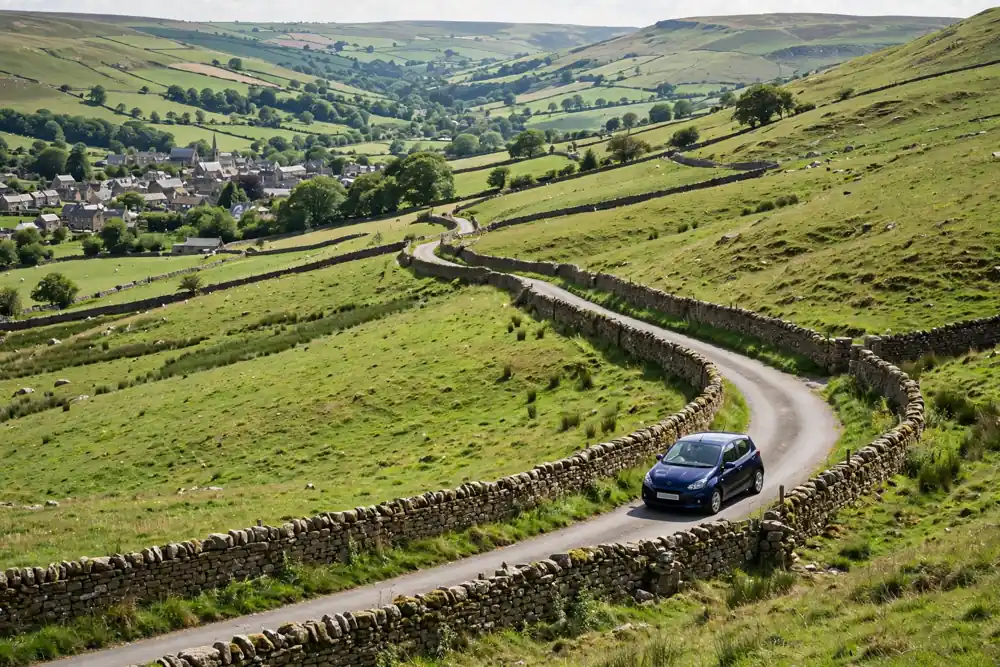
There is no better way to see Britain than from the driver’s seat: one day on a Cornish coast road, the next climbing through the Yorkshire Dales or tracing the lochs of the Highlands. Better still, a UK road trip does not need a huge budget. With a bit of planning, the right route and a few sensible checks on the car before you leave, you can put together a memorable trip for far less than a comparable holiday abroad.
This guide walks through how to plan a UK road trip on a budget: choosing a route, keeping fuel and accommodation costs down, eating well without overspending, and preparing your car so an avoidable breakdown does not eat the holiday fund.
Choose a Route That Works Hard for Its Miles
The most expensive road trips are the ones that zigzag. Pick a region and explore it properly: a loop through the Cotswolds and the Welsh borders, a run up the Northumberland coast, or a circuit of the Peak District and Yorkshire. Shorter daily drives mean less fuel, less fatigue and more time in the places you came to see. Aim for two to three hours of driving a day at most, and build in one base where you stay two nights so you are not packing and unpacking daily.
Use the scenic route rather than the motorway where time allows. A-roads through villages and along coasts are usually the drives you remember, and they pass the independent cafes, farm shops and viewpoints that make a trip. A paper map or an offline map download is a wise backup in rural areas where the signal disappears.
Budgeting: Fuel, Stays and Food
Fuel will probably be your biggest cost, so plan it. Fill up at supermarkets or in towns rather than at motorway services, where prices are noticeably higher, and keep tyres at the correct pressure to avoid wasting fuel. Accommodation offers the biggest savings: mix campsites, budget hotel chains booked early, and the occasional splurge, rather than defaulting to whatever is available on the night. Self-catering even part of the time cuts costs further, because a boot stocked with breakfast things and picnic supplies removes two restaurant meals a day from the bill.
Set a simple daily budget for spending money and track it as you go. Free and cheap attractions fill most itineraries easily in the UK: beaches, country parks, market towns, and the many museums and galleries with free entry. Save your admission money for the one or two big attractions that genuinely matter to you.
Get the Car Ready Before You Leave
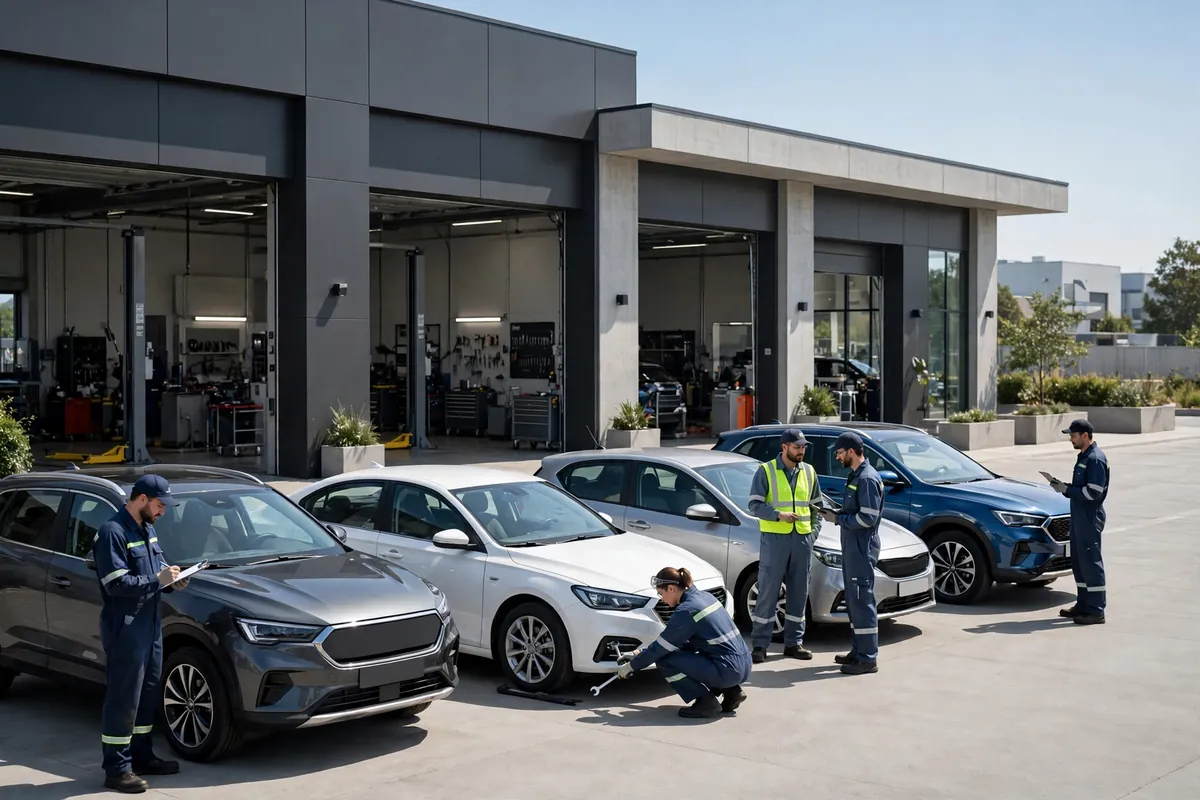
A road trip is only cheap if the car behaves. A week before departure, run through the basics: oil and coolant levels, screenwash, lights, wiper blades, and tyre tread and pressures, including the spare if you have one. Our guide to vehicle maintenance covers the routine checks every driver should know, and understanding what affects car service costs helps you judge whether a pre-trip service is worth booking.
Tyres deserve special attention on long drives. Our guide to tyre services explains what to check, and if the steering pulls or the tyres wear unevenly, our wheel alignment guide explains why it is worth sorting before you set off rather than after a thousand miles. If the worst does happen, knowing your options in advance keeps a bad day from becoming a bad week; our repair finance guide explains how workshops spread the cost of unexpected repairs.
Save Money With Smart Stops and Simple Tools
Plan your stops as carefully as your route. Motorway service stations are convenient but expensive for fuel, coffee and snacks, while a small detour into the nearest town usually finds all three at ordinary prices, plus a nicer place to stretch your legs. Offline maps downloaded before you leave protect you in the rural areas where signal drops out, and a simple fuel-price app can point you to the cheapest petrol near your route. If you are travelling outside the summer peak, even by a week or two, accommodation prices often fall noticeably while the roads get quieter, so shoulder-season trips are the budget traveller’s best friend.
Entertainment need not cost much either. A National Trust or English Heritage membership pays for itself across a single long trip if you visit several properties, and both organisations offer free parking for members at hundreds of car parks, including many at beaches and trailheads. Audiobooks and podcasts borrowed free from your local library’s app remove another small cost while making long stretches of driving genuinely enjoyable.
One Car, Several Drivers, No Surprises
If you are sharing the driving, check your insurance covers every driver before you leave; adding a named driver for a fortnight is usually cheap, while driving uninsured is anything but. Agree the kitty system in advance too: one shared pot for fuel and parking, topped up equally, prevents the end-of-trip arithmetic that sours otherwise happy holidays. Photograph the car’s condition and the fuel gauge when you set off, keep receipts in one envelope or app, and you will always know exactly what the trip cost, which makes planning the next one much easier.
Pack Smart and Drive Relaxed
Pack for British weather, which means layers and waterproofs whatever the forecast says, plus a phone charger, a torch, and a basic kit of snacks and water for the car. Download your playlists and maps before leaving home. Share the driving if you can, stop every couple of hours, and never let the fuel gauge drop below a quarter in remote areas, where petrol stations can be few and far between.
Above all, leave slack in the plan. The best road trip moments are usually unplanned: the village fete you stumble across, the viewpoint that was not in the guidebook, the pub lunch that becomes the story of the holiday. A budget UK road trip is not about doing the trip cheaply at the expense of enjoying it; it is about spending on the things that matter and saving on the things that do not. Plan the route, prepare the car, and the rest takes care of itself.