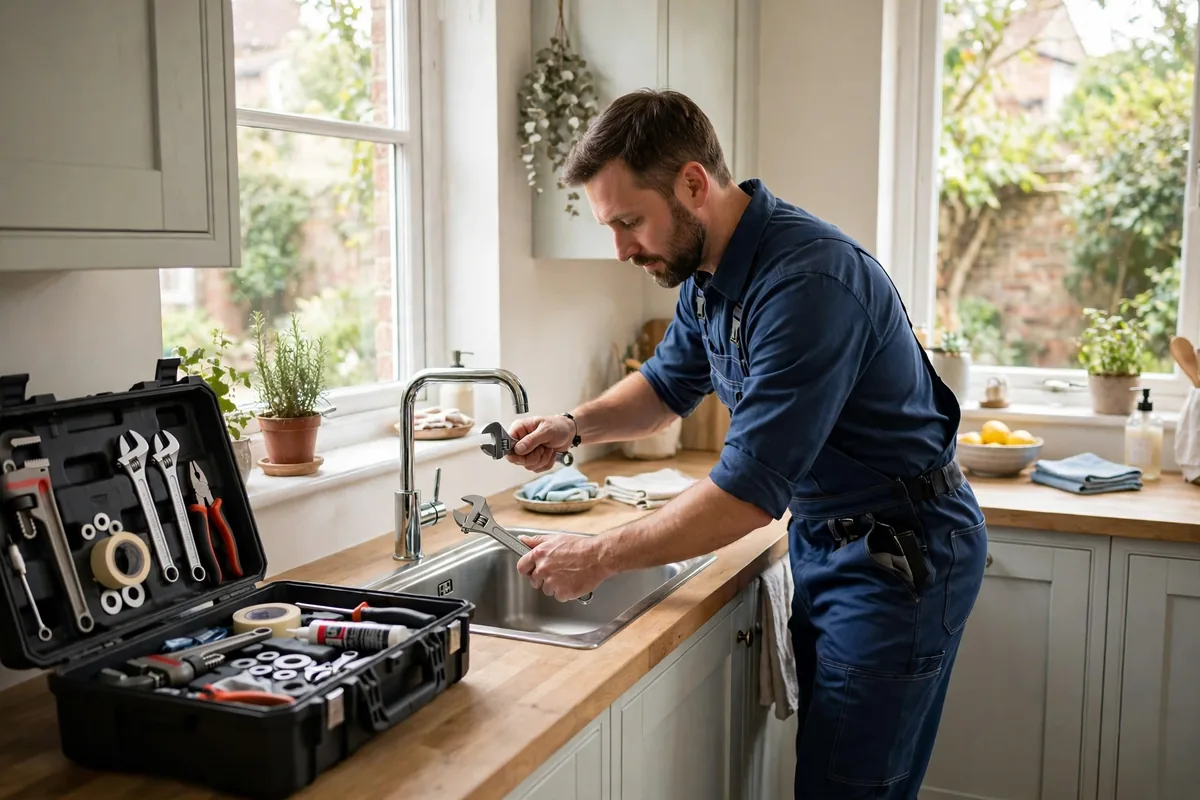
Finding a reliable plumber can feel like a gamble, especially when water is dripping through a ceiling and you need help fast. Yet the difference between a smooth, fairly priced job and a stressful, expensive one usually comes down to a few checks made before anyone picks up a wrench. This guide walks UK homeowners through how to choose a plumber with confidence, from checking credentials to comparing quotes and spotting the warning signs of a bad hire.
Start with the Type of Work You Need
Not every plumbing job needs the same kind of tradesperson. A dripping tap, a blocked sink or a toilet that will not stop running is routine work for most plumbers. A new bathroom, a boiler replacement or anything involving gas is a different matter. In the UK, anyone who works on gas appliances must be on the Gas Safe Register by law, and you can check an engineer’s registration number on the Gas Safe website before they start. For general water plumbing there is no single compulsory licence, which is exactly why your own checks matter so much.
Being clear about the job also helps you describe it accurately when you call. Take photos of the problem, note the make and model of any appliance involved, and write down when the issue started. The clearer your description, the more accurate the quote you will get back.
Check Credentials, Reviews and Track Record
A reliable plumber should be easy to verify. Look for a trading history, a real address and consistent reviews across more than one platform rather than a single glowing page of testimonials. Schemes such as WaterSafe and membership of a professional body like the Chartered Institute of Plumbing and Heating Engineering are good signs, because they require evidence of qualifications and insurance.
Ask directly about public liability insurance. A professional will have it and will not be offended by the question. If a plumber is vague about insurance, qualifications or how long they have been trading, treat that as useful information and keep looking.
Ask the Right Questions Before You Book
Before agreeing to anything, ask how the job will be charged. Some plumbers quote a fixed price for the whole job, while others charge an hourly rate plus parts. Neither is automatically better, but you should know which you are getting, whether there is a call-out fee, and whether the quote includes VAT. The same principle applies in other trades: understanding how garages set their service prices shows how much clearer things become when labour, parts and extras are itemised rather than bundled into one vague figure.
It is also worth asking who will actually do the work, how long it should take, and what guarantee covers the labour if something goes wrong afterwards. A plumber who answers these questions plainly is usually a plumber who runs an organised business.
Compare Like-for-Like Quotes
For planned work, get at least three written quotes. Written matters: a price scribbled on the back of a van visit is hard to rely on later. Compare what each quote actually includes. The cheapest option sometimes excludes parts, disposal of the old fittings, or making good the tiles and plaster afterwards, which means the real cost creeps up once the work has started.
Choosing a tradesperson this way is similar to choosing any local service business. Just as drivers benefit from understanding how a good car servicing business is run, homeowners benefit from looking at how a plumbing business presents itself: clear pricing, written terms and a proper invoice at the end are all marks of a professional outfit.
Planned Maintenance Beats Emergency Repairs
The most expensive plumber is the one you have to call at midnight. Slow drips, tired seals, noisy pipes and a boiler that struggles every winter are all warnings that are cheap to deal with early and costly to ignore. Booking routine checks and small repairs in good time keeps you in control of who you hire and what you pay.
The habit is the same one good car owners follow. Following a sensible vehicle maintenance routine prevents breakdowns, and keeping up with an annual MOT and service avoids nasty surprises. Your home’s plumbing deserves the same approach: a modest planned spend now is almost always better than an emergency call-out later.
What Affects the Price You Pay
Plumbing prices vary for sensible reasons, and understanding them helps you judge whether a quote is fair. Emergency and out-of-hours work costs more because you are paying for immediate availability. Jobs in large cities often carry higher labour rates than the same work in smaller towns. Complexity matters too: a straightforward tap replacement is quick, while tracing a hidden leak may involve lifting floors and making good afterwards. Finally, the quality of parts makes a difference, and a good plumber will happily explain the options rather than quietly fitting the cheapest components available.
Red Flags That Should Make You Walk Away
Some warning signs are easy to spot once you know them. Be cautious of anyone who demands full payment in cash before starting, refuses to put a quote in writing, pressures you to decide on the spot, or quotes a price far below everyone else without explaining why. A plumber who cannot show insurance, will not provide references, or is only reachable through a mobile number with no business presence at all is also a risk.
Trust your instincts during the first conversation. Professionals explain what they are doing and why. If the answers feel evasive, there are plenty of other plumbers to call.
What to Expect on the Day
A good plumber arrives when agreed, protects floors and surfaces, and explains any change to the plan before doing extra work. If they find an additional problem, they should show you the issue and agree a price for it before proceeding, not present it as a surprise on the final bill. At the end you should receive a proper invoice, any relevant certificates for regulated work, and clear advice on anything that may need attention in future.
Keep those documents. They are useful for insurance, for selling your home, and for the next tradesperson who works on the system.
Finding Your Go-To Plumber
The real prize is not one good repair but a plumber you can call again. Once you find someone reliable, save their details and use them for the small jobs too; a plumber who knows your home will spot problems faster and often prioritise existing customers in an emergency. Reliable tradespeople are built on repeat business and reputation, much like the workshops in our guide to building a successful auto services business, where trust and repeat customers matter more than one-off sales.
Choose carefully, check the basics, get it in writing, and you will have a reliable plumber you can depend on for years.