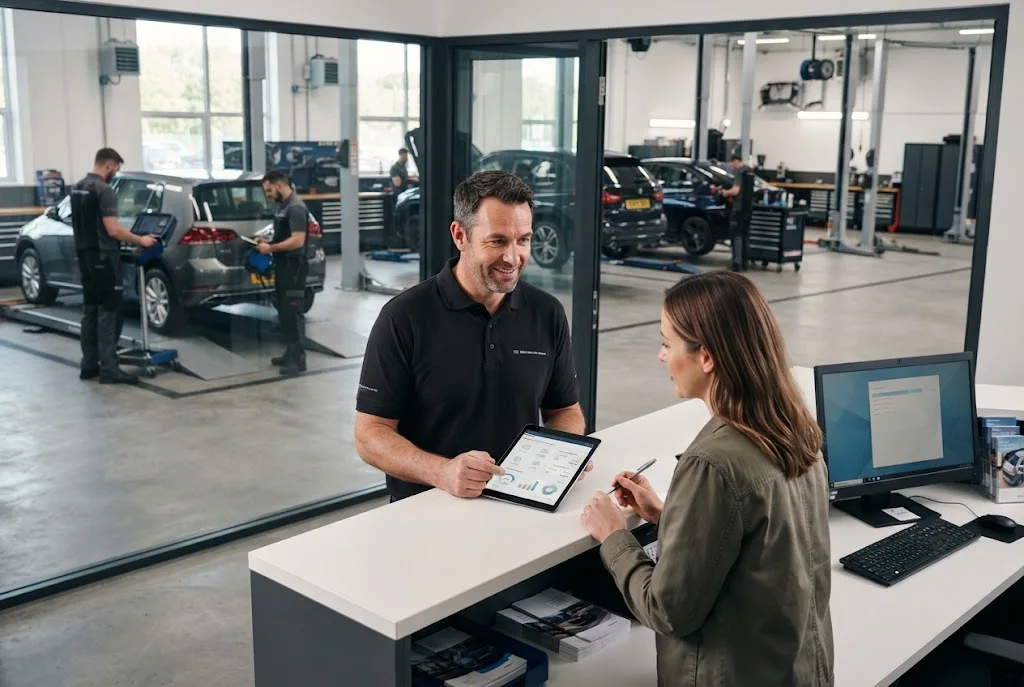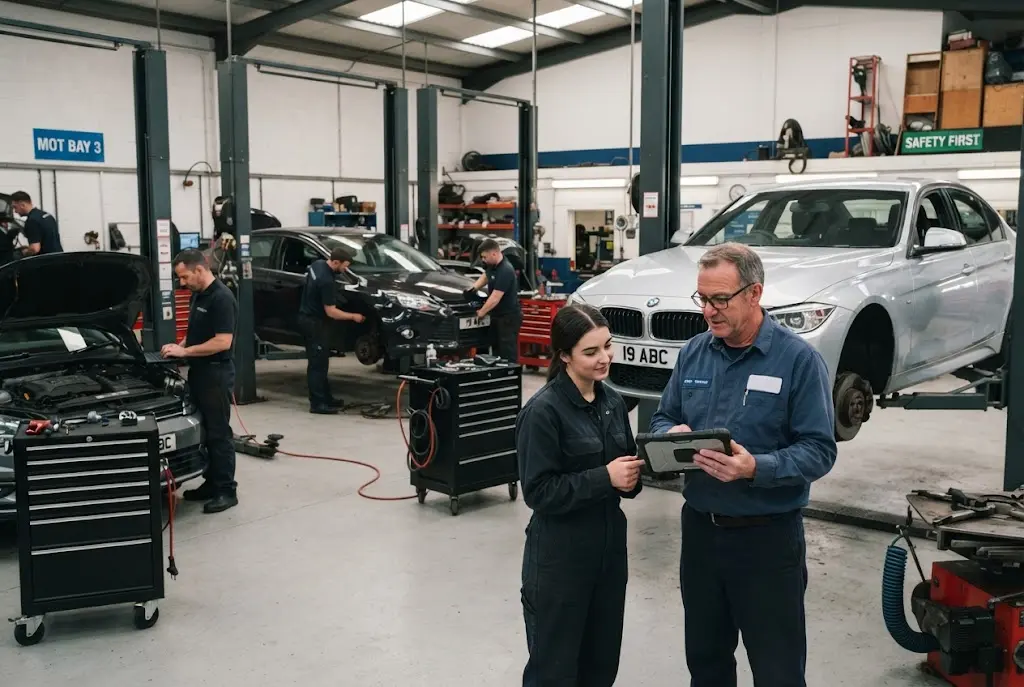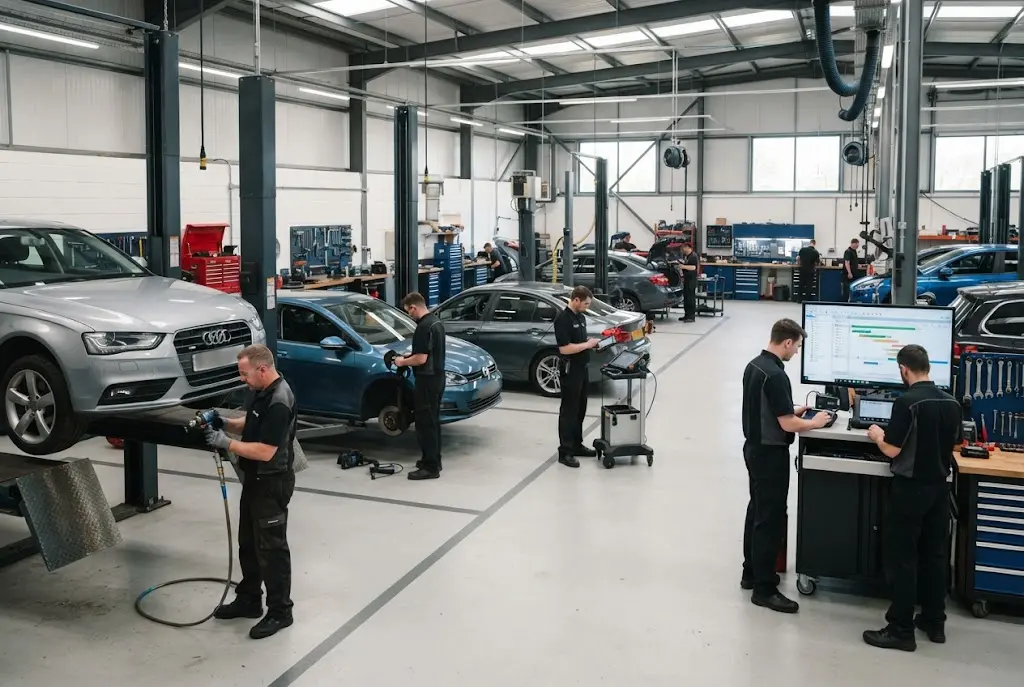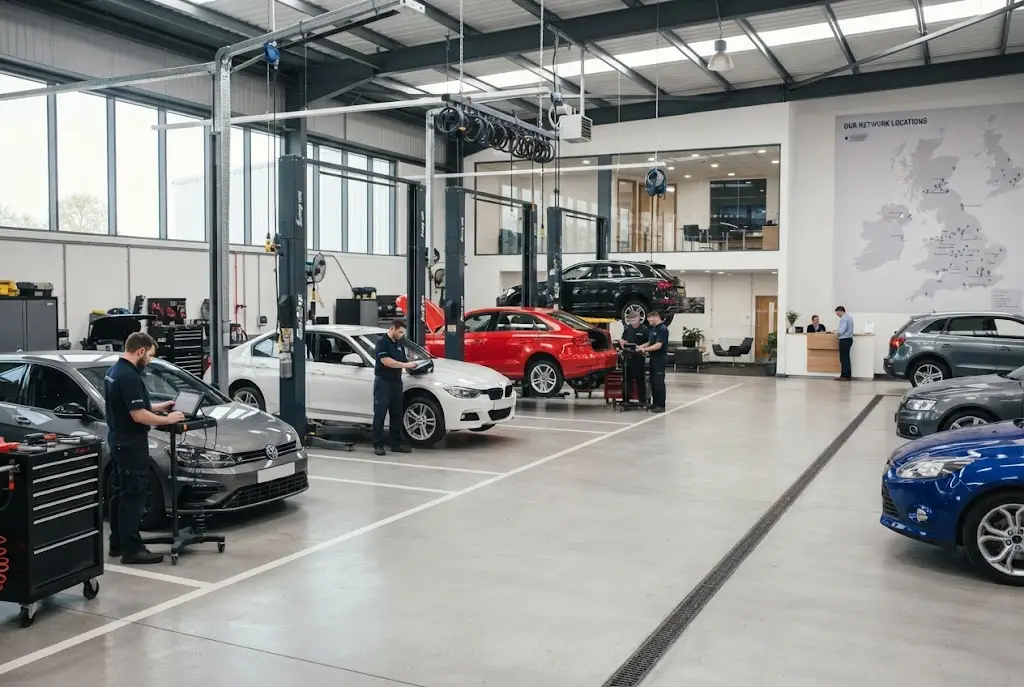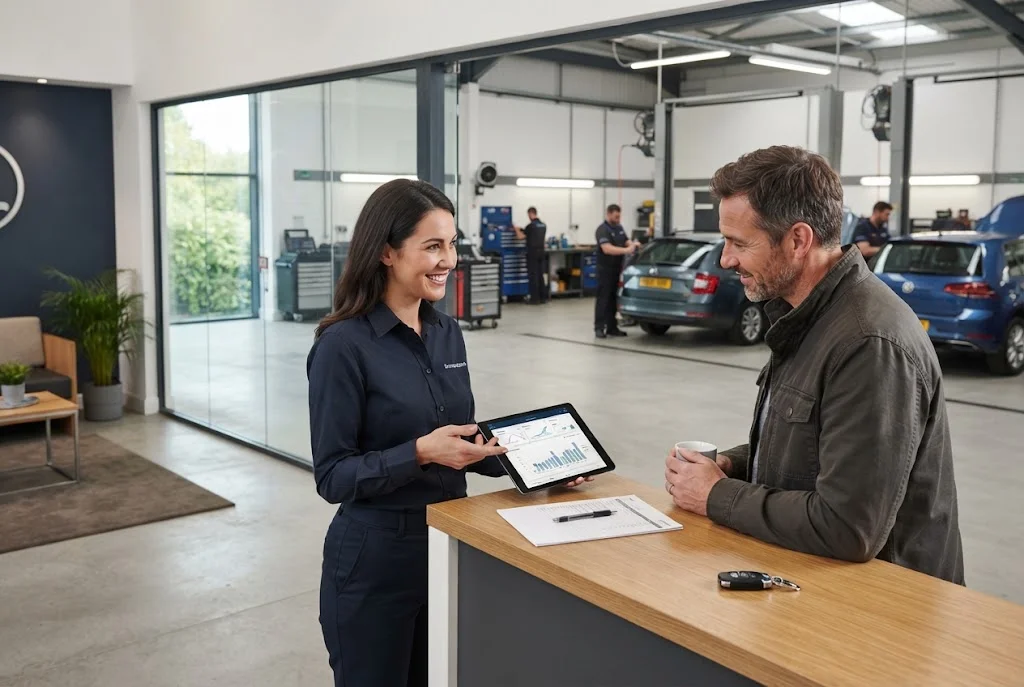
For an automotive business, every completed service is an opportunity to create a long-term customer relationship. Effective car servicing is not only about completing scheduled maintenance correctly; it is also about making customers feel informed, valued and confident about returning to the same garage. For UK workshops, customer retention can become a powerful source of sustainable growth when servicing is supported by timely communication, reliable records and consistent after-sales support.
The UK automotive aftermarket gives motorists plenty of choice. The Society of Motor Manufacturers and Traders describes a market containing independent workshops, repair chains, franchised operations and other service providers across the country. With customers able to compare garages and services more easily, businesses need to compete on more than price. Convenience, trust, communication and the quality of the overall ownership experience can all influence whether a customer returns.
Why Car Servicing Is Central to Customer Retention
Unlike a one-off repair, routine servicing creates natural opportunities for a garage to maintain an ongoing relationship with a vehicle owner. A customer may return for annual servicing, seasonal checks, brake inspections, tyre-related work, MOT preparation or additional maintenance as the vehicle ages.
Each visit provides useful information about the vehicle and its likely future maintenance needs. When that information is handled professionally, the garage can provide relevant recommendations instead of waiting for the customer to experience a problem.
This creates a shift from transactional servicing to relationship-based after-sales support. Instead of viewing the customer as someone who arrives once a year, the business can become a trusted partner throughout the vehicle’s ownership lifecycle.
Customer retention is particularly valuable because a returning customer already knows the business, its staff and its processes. A positive previous experience can reduce the uncertainty involved in choosing a garage for the next service or repair.
Make Every Servicing Visit Feel Consistent
Customer loyalty starts with the basic experience. A technically correct service can still produce a poor customer relationship if communication is unclear, appointments are badly managed or the final invoice contains unexpected charges.
A consistent servicing experience should cover the full customer journey:
- Easy appointment booking
- Clear confirmation of the requested work
- Professional vehicle reception
- Transparent explanations of additional recommendations
- Regular updates where appropriate
- Clear invoicing
- Confirmation of completed work
- Useful maintenance advice for the future
- Follow-up communication after the visit
Consistency becomes even more important for businesses operating several locations. As discussed in the previous article on scaling multi-location automotive businesses, documented processes and common service standards can help ensure that customers receive a dependable experience regardless of which branch they use.
Use Service Reminders at the Right Time
Customers do not always remember when their next service is due. A garage that provides useful reminders can remove some of the effort involved in maintaining a vehicle while creating a natural reason to reconnect with the customer.
Service reminders can be delivered through email, SMS or other digital communication channels. The message should be useful rather than intrusive. It can remind the customer that their vehicle may be approaching its scheduled maintenance interval and provide a straightforward way to arrange an appointment.
Timing matters. Sending every customer the same generic message regardless of vehicle, mileage or previous service history can make communication feel automated and irrelevant. A stronger system uses available customer and vehicle information to make reminders more appropriate.
For example, a garage may distinguish between annual servicing, mileage-based maintenance, MOT-related reminders and specific recommendations made during the previous visit.
The UK government already provides motorists with an official MOT reminder service, demonstrating that reminders are a familiar part of vehicle ownership. GOV.UK states that eligible motorists can receive MOT reminders by text or email, normally one month before a car, van or motorcycle MOT is due.
A private garage’s service reminder should complement this wider vehicle-maintenance routine rather than simply repeat information customers can obtain elsewhere.
Create a Useful Digital Service History
A digital service history can make future visits more efficient while strengthening the customer’s perception that the garage understands their vehicle.
Instead of relying entirely on paper invoices or asking customers to remember previous work, a business can maintain an organised record of servicing, inspections, repairs and recommendations. Depending on the systems available, the record may include service dates, mileage, parts replaced, inspection findings and recommended follow-up work.
This information can help technicians prepare for future appointments and help service advisers explain what has already been completed.
It also creates an opportunity for more relevant communication. If a previous inspection identified a maintenance item that did not require immediate attention, the business can revisit it at an appropriate future service rather than starting the conversation from scratch.
For customers, the benefit is straightforward: they have a clearer history of their vehicle’s maintenance. For the garage, the benefit is a more informed and professional relationship.
Turn Maintenance Plans Into Long-Term Relationships
Maintenance plans can give customers a clearer understanding of future servicing while creating predictable opportunities for the business to stay connected.
A maintenance plan might combine scheduled servicing with inspections or other agreed maintenance activities. The exact structure should reflect the garage’s capabilities and the vehicle’s needs rather than becoming a generic package designed only to increase sales.
The most effective plans are transparent. Customers should understand what is included, what is excluded and when additional work may be recommended.
This approach can also make budgeting easier for motorists. Instead of treating every visit as an unexpected expense, customers can have a clearer idea of the maintenance required over time.
For businesses, well-designed maintenance plans can support repeat customers while making future workshop demand more predictable.
Build Loyalty Programmes Around Real Customer Value
Loyalty programmes can encourage customers to return, but discounts alone are not necessarily enough to create genuine loyalty. A strong programme should make the overall ownership experience easier or more valuable.
Possible benefits might include:
- Priority booking for existing customers
- Service reminders tailored to the vehicle
- Digital maintenance records
- Clear maintenance planning
- Exclusive servicing packages
- Seasonal vehicle checks
- Follow-up support after major repairs
- Convenient communication options
The objective is to give customers a reason to maintain their relationship with the business rather than simply offering a discount that can reduce margins.
A loyalty programme should also be simple. If customers cannot understand how it works, the programme adds complexity instead of value.
Train Staff to Communicate, Not Just Sell
Customer loyalty is strongly influenced by the people customers interact with. Service advisers and technicians need to explain maintenance findings clearly without making customers feel pressured.
When additional work is identified, staff should explain what was found, why it matters and whether the issue requires immediate attention. Where appropriate, customers can also be given a prioritised view of maintenance so they understand what should be dealt with first.
This approach helps distinguish professional recommendations from aggressive upselling.
Communication skills become particularly important as vehicles become more technically sophisticated. SMMT reported in 2025 that 81.2% of surveyed UK automotive aftermarket workshops had invested in training, talent and tooling to service electric vehicles and advanced safety technologies. The organisation also highlighted the value consumers place on friendly, knowledgeable communication and convenient aftermarket locations.
For garages, technical capability and customer communication therefore need to develop together.
Connect Servicing With Preventive Maintenance
Customer loyalty becomes stronger when a garage helps motorists understand maintenance before a small issue becomes a larger repair.
A servicing appointment can provide an opportunity to inspect areas such as brakes, tyres, fluids, battery condition and other relevant components. Recommendations should always be based on the vehicle’s condition and manufacturer or professional servicing requirements.
The goal is not to create unnecessary work. Instead, preventive maintenance should help customers make informed decisions about the condition and future needs of their vehicles.
This also connects naturally with the operational side of the business. The next article in this cluster focuses on vehicle maintenance and service operations, including workflows, technician scheduling and workshop utilisation.
Follow Up After the Service
The relationship should not necessarily end when the customer collects the vehicle.
A short follow-up message can confirm that the vehicle is performing as expected, provide a reminder about any future recommendation and make it easy for the customer to contact the garage if they have questions.
For larger workshop networks, this follow-up can be managed through central business systems while still allowing individual branches to maintain a personal relationship with customers.
Follow-up communication can also provide an opportunity to request genuine feedback. If a customer reports a problem, resolving it quickly can be more valuable than simply collecting positive reviews.
Use Customer Data Responsibly
Customer records are valuable because they help businesses provide more relevant service. However, garages should use customer information responsibly and ensure that their communication practices comply with applicable UK data protection and marketing requirements.
Customers should understand why their information is being used and should have appropriate choices regarding marketing communications. Service-related communication and promotional marketing should not simply be treated as the same thing.
A well-managed customer database should therefore support better service without becoming a source of unwanted messages.
Measure Repeat Customers and Retention
If customer loyalty is a business objective, it should be measured.
Useful measures can include:
- Percentage of customers returning for another service
- Time between servicing visits
- Repeat repair bookings
- Response rates to service reminders
- Maintenance-plan renewals
- Customer feedback
- Online review trends
- Referral activity
- Declined work that later returns for completion
These measures can reveal where the customer journey needs improvement. For example, if a garage receives many first-time customers but relatively few return for another service, the problem may be customer experience, communication, pricing, convenience or follow-up.
That insight is more useful than simply measuring the number of vehicles serviced each month.
Make Convenience Part of the Loyalty Strategy
Modern customers often value convenience alongside technical competence. Online booking, clear appointment times, digital invoices, reminders and straightforward communication can reduce friction throughout the servicing process.
Convenience does not necessarily require sophisticated technology. Even simple improvements, such as providing clear collection instructions or sending a reminder the day before an appointment, can make the experience easier.
For multi-location businesses, customers may also appreciate the ability to use different branches while retaining access to the same service history. This is one reason a connected workshop network can offer a stronger proposition than several disconnected garages.
Turn Good Servicing Into a Retention System
Customer loyalty is rarely created by one promotion or one exceptional visit. It is built through a series of dependable interactions.
A garage that combines quality servicing with accurate records, relevant reminders, transparent recommendations, maintenance planning and thoughtful after-sales support has more opportunities to remain part of the customer’s vehicle ownership journey.
The wider UK aftermarket is continuing to adapt as vehicles become more connected, electrified and technologically advanced. SMMT notes that the sector must continue evolving to meet changing customer expectations and maintain the quality and choice motorists expect.
For independent garages and growing workshop networks, this creates an important opportunity. The businesses that treat servicing as a long-term relationship rather than a single transaction can build stronger customer retention and more predictable repeat business.
Ultimately, successful car servicing is about more than maintaining vehicles. It is about maintaining trust. When customers know that a garage keeps accurate records, communicates clearly, provides useful reminders and recommends work responsibly, they have a strong reason to return.
That loyalty can then support the wider commercial model. Better retention creates more predictable workshop demand, while efficient maintenance workflows help the business deliver those services profitably. The next stage is understanding how service operations can drive profit without compromising quality.
For businesses managing growing teams, the same customer-focused approach should also extend to managing automotive repair teams. Consistent service standards ultimately depend on the people responsible for delivering them.