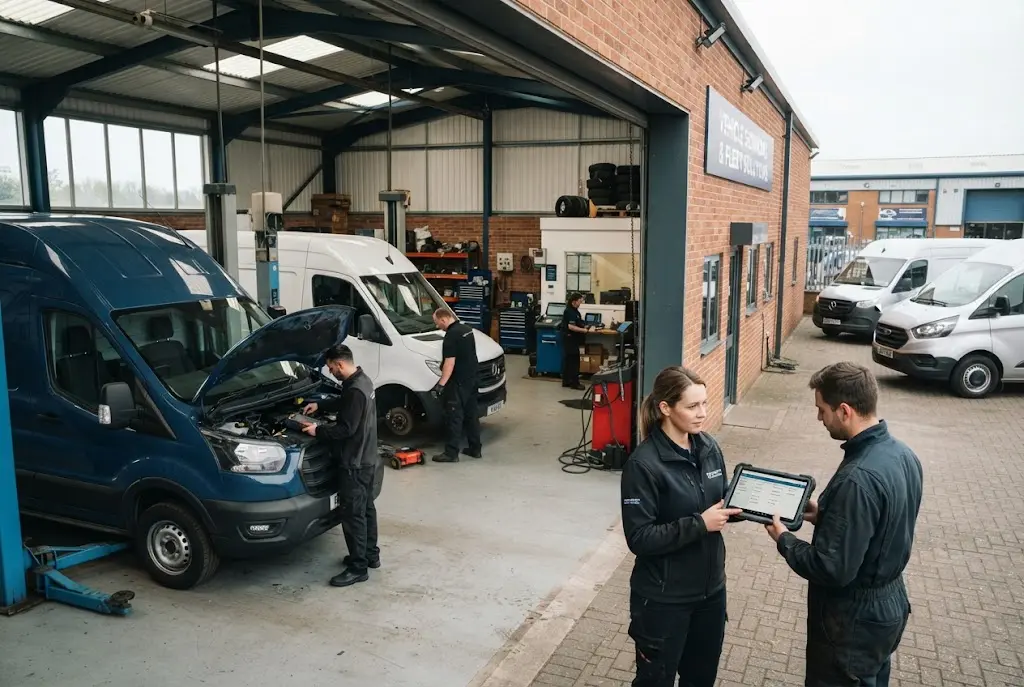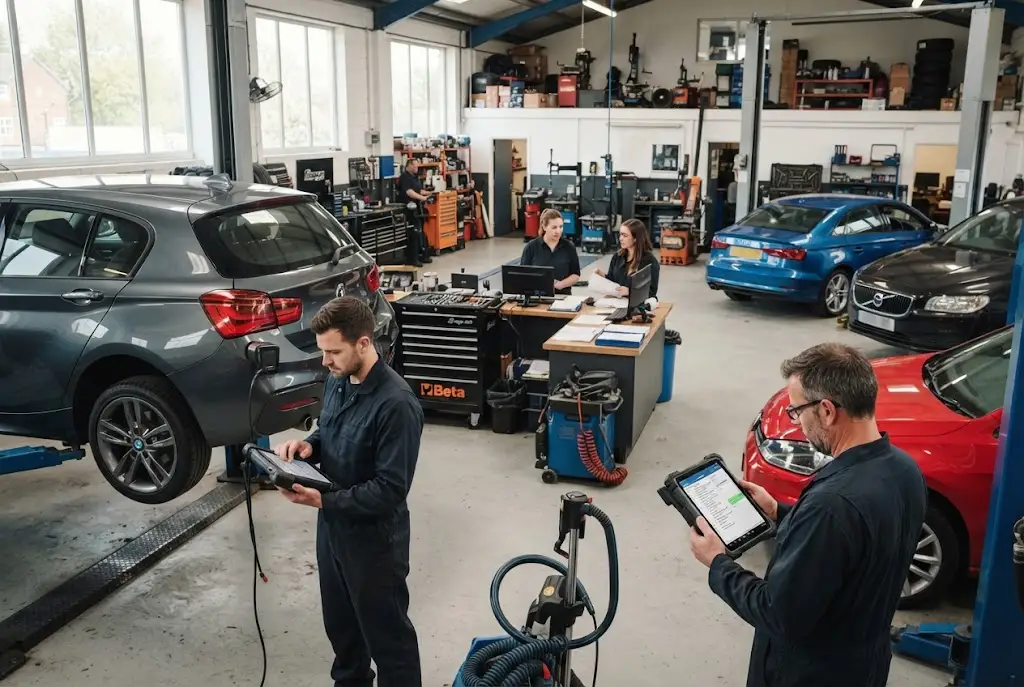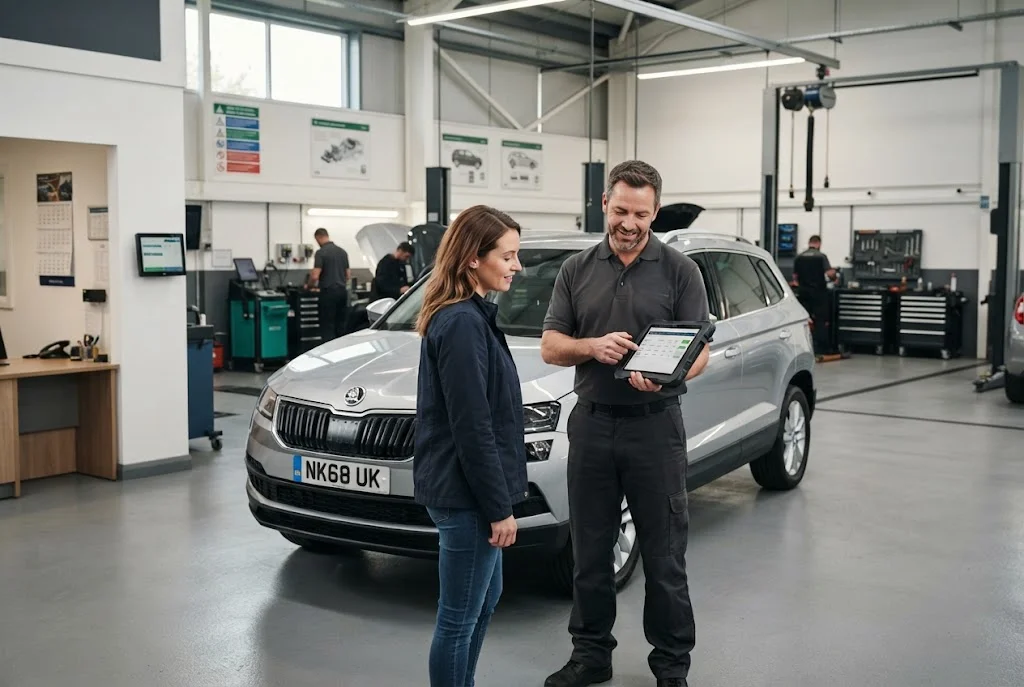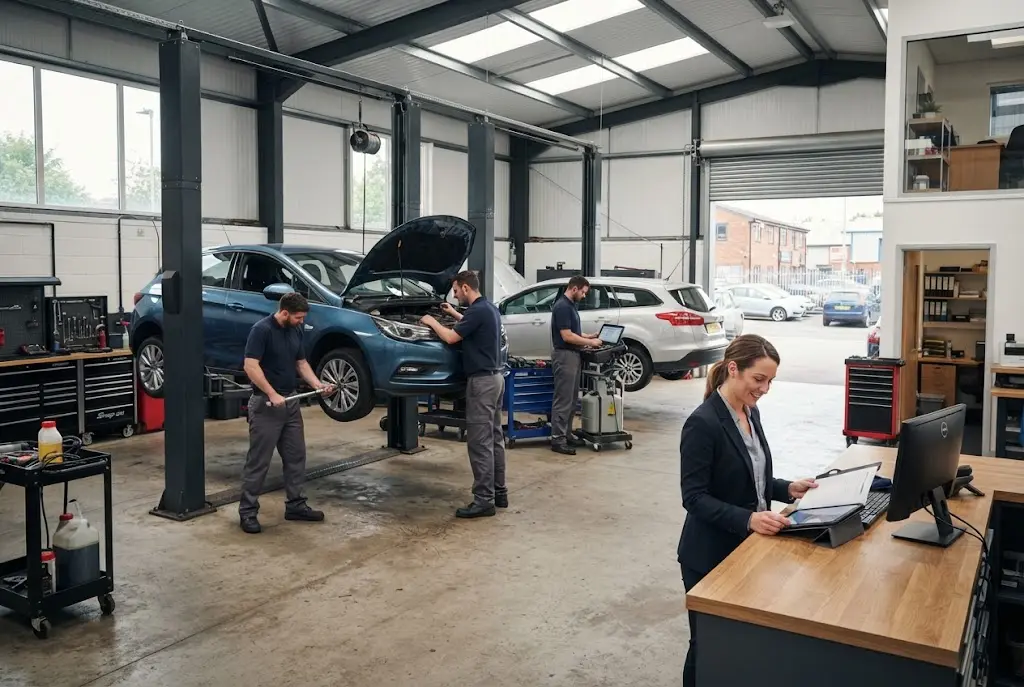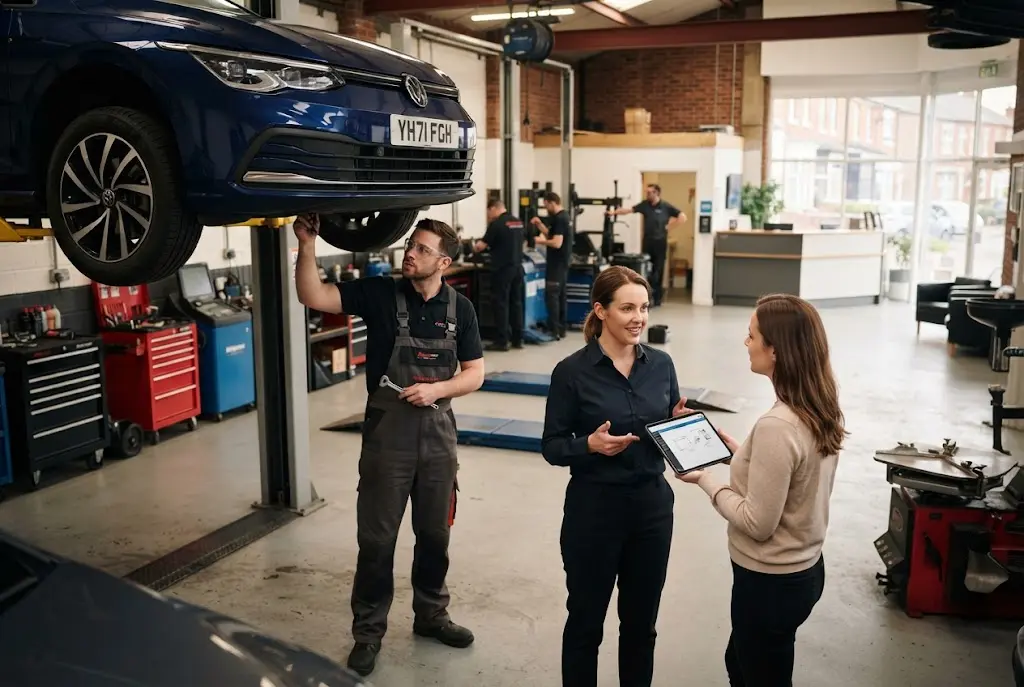
Auto care services are about more than maintaining and repairing vehicles. For customers, the experience begins before a car reaches the workshop and continues after the keys are handed back. Booking an appointment, receiving a clear estimate, understanding recommended work, getting timely updates and knowing when future maintenance is due can all influence how customers perceive a garage.
For automotive businesses, improving this journey can support customer satisfaction, service quality and long-term retention. A workshop does not necessarily need an expensive technology stack to make meaningful improvements. Often, the biggest gains come from understanding customer expectations, creating consistent processes and using digital tools where they genuinely make the experience easier.
Why Auto Care Services Should Focus on the Whole Customer Journey
A customer may judge a garage on the quality of the repair, but their overall impression can be shaped by many smaller interactions. Difficulty finding an appointment, unclear communication or an unexpected explanation at collection can create frustration even when the technical work has been completed correctly.
A customer-focused approach considers the complete journey:
- Finding and contacting the garage
- Booking a service or repair
- Vehicle check-in
- Diagnosis and recommendations
- Approval of additional work
- Progress communication
- Vehicle collection
- Payment and documentation
- After-sales service
- Future maintenance reminders
Looking at each stage helps a garage identify friction points that may otherwise be overlooked.
Improve Customer Satisfaction Through Clear Communication
Customer satisfaction often depends on whether people feel informed and treated fairly. Automotive repairs can involve technical terminology that customers may not understand, so service advisors should explain findings in straightforward language.
When additional work is discovered, the customer should receive a clear explanation of the issue, why the work may be recommended and what the associated cost is before chargeable work proceeds. This creates transparency and gives the customer an opportunity to make an informed decision.
Communication should continue throughout the job when circumstances change. If a repair is taking longer than expected or a required part affects the completion time, providing an appropriate update can be better than leaving the customer to chase the workshop.
Service Quality Starts With Consistent Processes
Service quality is easier to maintain when workshop processes are consistent. Every employee should understand how vehicles are received, inspected, documented and handed back to customers.
Digital job cards and inspection records can help create a consistent process. They can also make information easier to access when a customer asks what work was completed during a previous visit.
For businesses developing their broader digital operations and workshop technology, customer experience should be considered alongside internal efficiency. A system that makes life easier for employees can also improve the quality and speed of customer communication.
Make Online Booking Simple
Online booking can provide customers with a convenient alternative to calling a garage during opening hours. However, the quality of the booking experience matters as much as its availability.
A useful booking system should make it easy for customers to identify an appropriate service, select an available time and provide essential vehicle information. The process should avoid unnecessary questions and clearly explain what happens after the request is submitted.
Where possible, booking information should flow directly into the workshop’s scheduling process. This reduces the need to manually copy information between systems and helps the team prepare for upcoming appointments.
Digital Communication Can Improve the Service Experience
Customers increasingly expect convenient communication. Email, text messages and other digital channels can help garages provide booking confirmations, appointment reminders and relevant progress updates.
The objective should be useful communication rather than communication for its own sake. Customers do not necessarily need constant messages, but they should know what is happening when an important stage of their service changes.
Automation can support routine notifications while staff remain available for conversations that require judgement or explanation. This is one area where service automation can complement rather than replace personal customer service.
Use Vehicle History to Personalise Auto Care Services
A reliable vehicle history can make future interactions more relevant. When a garage can see previous services, inspections and repairs, staff can better understand the context of a customer’s current visit.
This information can also support appropriate maintenance reminders. Instead of sending generic marketing messages, the garage can communicate around genuinely relevant maintenance requirements.
Accurate records are particularly valuable when a customer returns after several months. They help the business provide continuity instead of treating every visit as an entirely new interaction.
After-Sales Service Should Not Be an Afterthought
After-sales service is an important part of the customer journey. Once a vehicle has been collected, the relationship with the customer does not necessarily end.
A suitable follow-up could confirm that the customer is satisfied, provide documentation or remind them about an agreed future maintenance requirement. The type and timing of communication should depend on the work completed and the customer’s circumstances.
Good after-sales processes can also give customers an easy route to raise concerns. If something needs clarification, resolving it promptly can be more constructive than allowing a small issue to damage the overall relationship.
Customer Retention Comes From Consistent Experiences
Customer retention is closely connected to the experience customers receive over multiple visits. Competitive pricing may attract an initial booking, but reliability, communication and service quality can influence whether customers return.
A garage can encourage repeat business by making future maintenance convenient and by keeping accurate vehicle records. Service reminders can help customers remember when maintenance is due, while straightforward booking can make returning to the same workshop easier.
This approach can work particularly well alongside structured car service plans and maintenance packages. A plan becomes more valuable when the customer experience around it is clear, convenient and dependable.
Build Customer Loyalty Through Trust
Customer loyalty should be earned through consistent service rather than assumed because a customer has visited previously. Trust can develop when garages explain recommendations clearly, avoid unnecessary pressure and deliver work to an appropriate standard.
Customers also value transparency around pricing. Estimates should clearly communicate what is included, while additional work should be discussed before it is undertaken where customer approval is required.
Over time, these practices can create a relationship where customers know what to expect from the workshop.
Use Feedback to Improve Service Excellence
Service excellence requires ongoing attention. Customer feedback can reveal problems that internal workshop measurements do not always capture.
Garages can review feedback around areas such as booking convenience, communication, waiting times, clarity of explanations and the collection process. Patterns are more useful than isolated comments. If multiple customers identify the same friction point, it may indicate an opportunity to improve the underlying process.
Feedback should lead to practical action where appropriate. A garage might simplify its booking form, improve appointment reminders or create a clearer process for communicating delays.
Connect Customer Experience With Workshop Efficiency
Customer experience and workshop efficiency are not separate objectives. A well-organised workshop can often communicate more effectively because staff have better visibility of job status and vehicle information.
For example, improving repair workflows and workshop productivity can make it easier to identify delays and provide customers with more accurate updates.
Similarly, a well-managed appointment schedule can reduce unnecessary waiting and make the arrival process more predictable for both customers and technicians.
Practical Steps for Improving Auto Care Services
A garage looking to improve its customer experience can start with a small number of practical changes:
- Map the customer journey from first enquiry to follow-up.
- Identify the stages where customers experience the most friction.
- Make booking and appointment confirmations straightforward.
- Use consistent processes for vehicle inspections and job documentation.
- Explain recommendations and costs clearly.
- Provide appropriate updates when repair circumstances change.
- Maintain accurate customer and vehicle histories.
- Make future maintenance reminders relevant rather than generic.
- Review customer feedback regularly.
- Measure whether changes improve the experience and workshop efficiency.
These steps can be introduced gradually. A business does not need to transform every process simultaneously to begin improving the customer journey.
Final Thoughts on Auto Care Services and Customer Experience
Auto care services are increasingly judged by the complete experience surrounding the vehicle work, not simply by the final repair. Customers want convenient booking, clear information, transparent recommendations, timely communication and dependable service.
Garages can respond by combining strong operational processes with appropriate digital tools. Online booking, customer records, automated reminders and digital communication can make the journey easier, while skilled staff remain responsible for the conversations and decisions that require a human touch.
Ultimately, customer satisfaction and retention are built through consistency. When a garage delivers a professional experience before, during and after every visit, it creates stronger foundations for customer loyalty and long-term business growth.