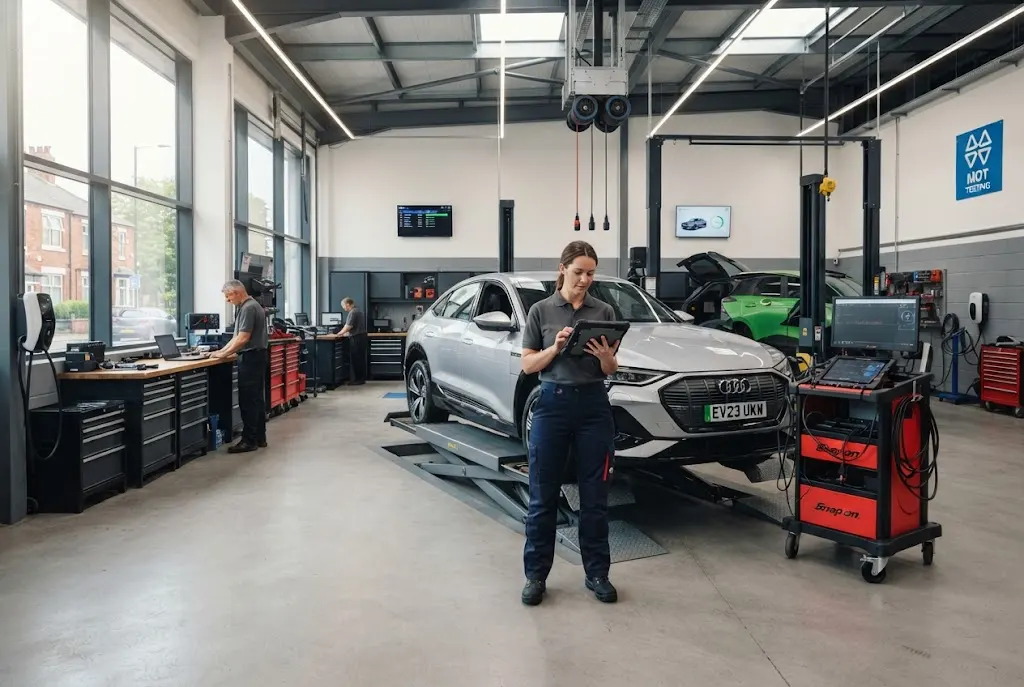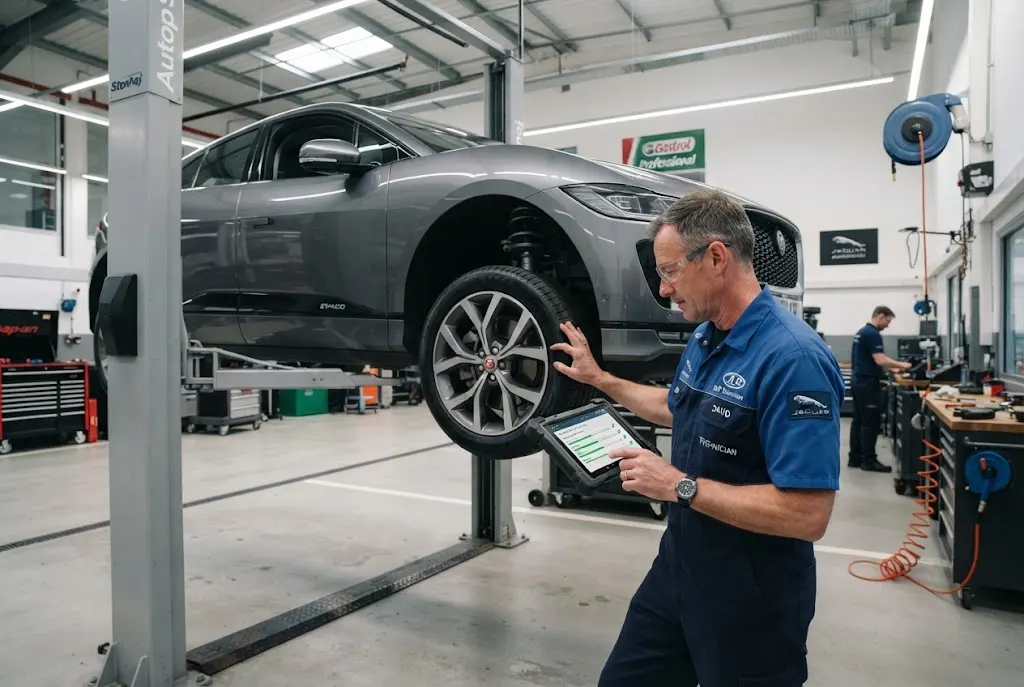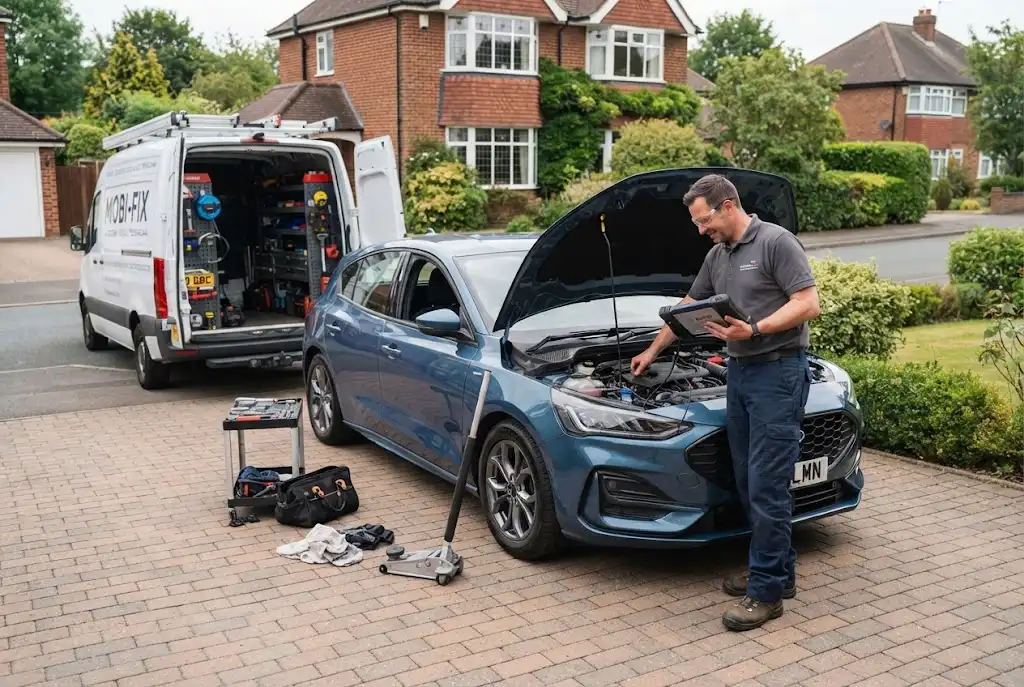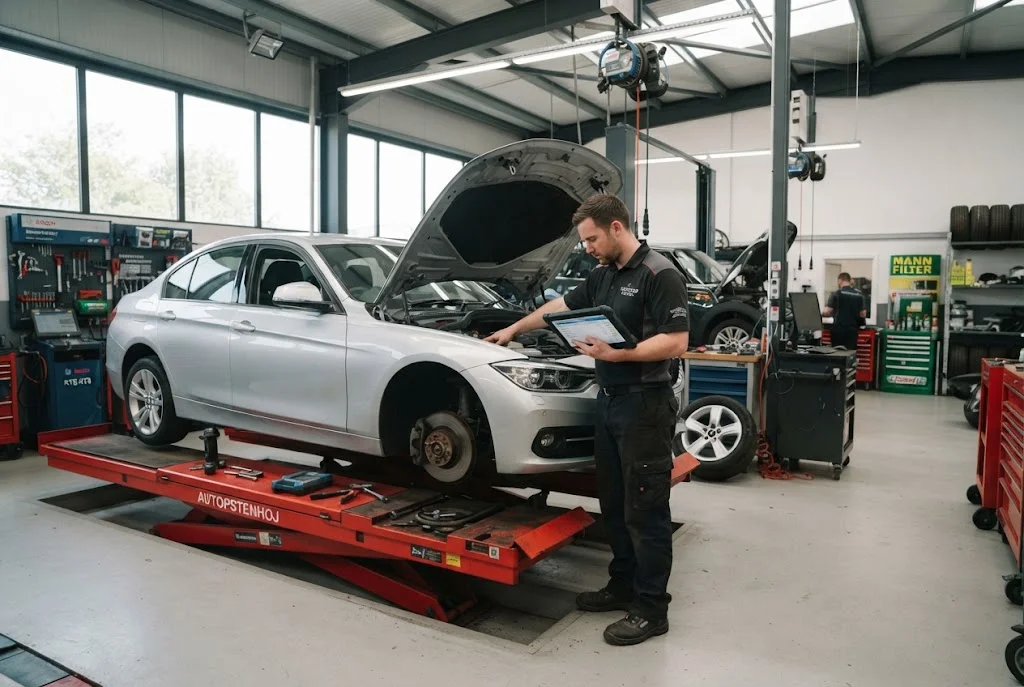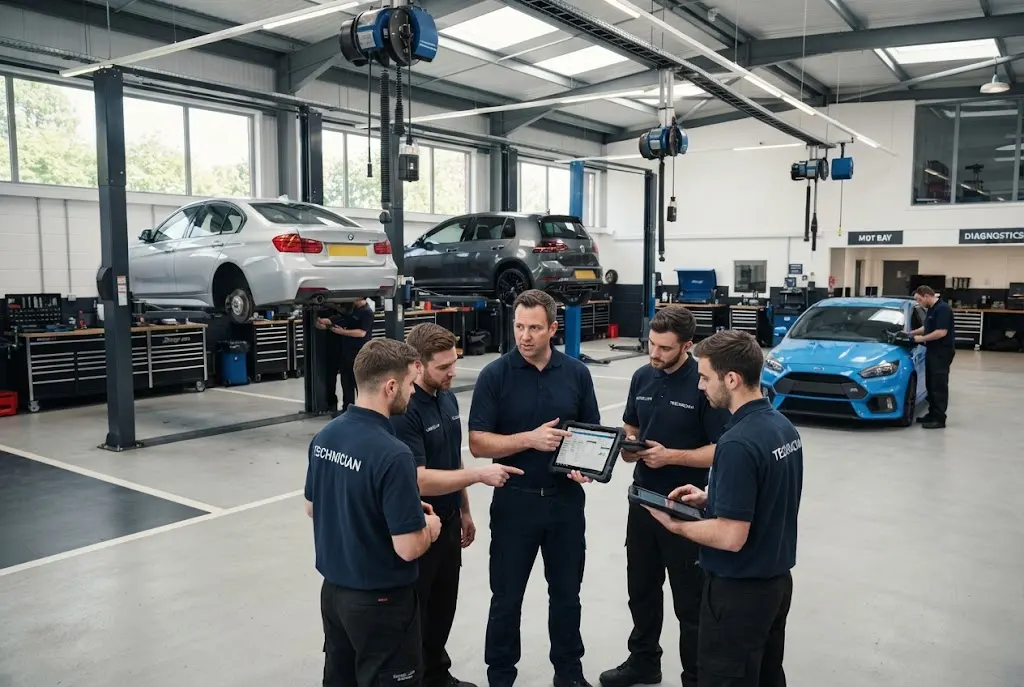
Effective garage management is about much more than scheduling vehicles and assigning repair jobs. A high-performing workshop needs clear leadership, capable technicians, reliable processes and a service culture that keeps both customers and employees engaged. Strong management brings these areas together so the garage can operate efficiently while maintaining consistent standards.
As automotive technology becomes more complex, workshop leaders also have to think about staff development, diagnostic capabilities, customer expectations and long-term business growth. The most effective management approach is therefore one that combines day-to-day operational control with continuous development of the people and systems behind the business.
What Does Garage Management Involve?
Garage management covers the systems and decisions used to organise a workshop’s people, vehicles, resources and customer services. This can include appointment scheduling, technician allocation, parts management, quality control, customer communication and financial performance.
Managers also need visibility over how work moves through the workshop. Delays can occur when parts are unavailable, technicians are overloaded or customers are not updated promptly. A structured management process can identify these bottlenecks and help the team respond before they become recurring problems.
Good management should support technicians rather than simply monitor them. When expectations are clear and resources are available, staff have a better environment in which to perform their technical work.
Workshop Leadership and Daily Operations
Workshop leadership starts with clear priorities. Managers need to establish what work must be completed, which jobs require specialist attention and how available technician capacity should be allocated.
A daily workshop briefing can help teams understand the day’s workload. Managers can highlight urgent jobs, parts issues, customer deadlines and technical concerns before work begins.
Clear communication is particularly important when several technicians are working on different vehicles. Everyone should understand their responsibilities and know who to approach when a job requires additional support or authorisation.
Building Strong Team Performance
Team performance depends on more than individual technical ability. Technicians, service advisers, parts staff and managers need to work together if a workshop is going to deliver a consistent customer experience.
Managers can improve coordination by establishing clear processes for vehicle intake, inspection, quotation, repair approval, quality checks and vehicle handover. When everyone understands the workflow, fewer tasks are missed between departments.
Performance should also be assessed using meaningful measures. Depending on the workshop, useful indicators may include completed jobs, productivity, comeback rates, customer feedback and appointment completion.
These measures should be used to identify opportunities for improvement rather than simply to create pressure. Context matters when reviewing performance because different jobs can vary significantly in complexity and duration.
Staff Training as a Management Priority
Staff training is increasingly important as vehicle technology develops. Technicians may need to understand advanced electronic systems, new diagnostic methods and electric vehicle technology alongside traditional mechanical skills.
A garage can begin by identifying the capabilities it needs for its current and planned service range. Training can then be organised around those requirements instead of relying on generic courses that may not address the workshop’s priorities.
Managers should also create opportunities for experienced technicians to share knowledge with less experienced team members. Internal knowledge transfer can complement formal training and help establish a stronger learning culture.
Improving Technician Retention
Technician retention can have a significant effect on workshop stability. Experienced technicians carry technical knowledge, understand established processes and often develop strong relationships with colleagues and customers.
Retention is influenced by several factors, including working conditions, development opportunities, management quality, recognition and career progression. While compensation is important, employees also need to see a future within the organisation.
A manager can support retention by discussing development goals with technicians and identifying opportunities for greater responsibility. Providing training for new technologies can also demonstrate that the business is prepared to invest in its workforce.
Creating a Positive Service Culture
A strong service culture influences how customers experience the workshop. It begins with the way staff communicate with customers and continues through diagnosis, quotation, repair and vehicle collection.
Managers play an important role in establishing these standards. If transparency, accuracy and respectful communication are treated as priorities, employees are more likely to incorporate them into their daily work.
Customers should receive clear explanations about recommended repairs and understand what work has been authorised. When additional problems are discovered, the garage should communicate them before carrying out work that falls outside the agreed scope.
Operational Leadership in a Modern Garage
Operational leadership involves making sure the workshop has the resources and processes required to deliver its services consistently. This includes managing equipment, technician capacity, parts availability and customer bookings.
Digital workshop management systems can help managers access information more quickly. Job histories, inspection results, appointment details and customer communications can be organised within a central system rather than being spread across paper records and disconnected tools.
Technology should support the workflow rather than make it unnecessarily complicated. The best system is one that staff can use consistently and that provides managers with useful operational information.
Managing Modern Inspection Services
Workshops expanding their service range can use auto inspection services as an additional customer offering. Inspections require clear procedures because technicians need to document findings consistently and communicate the difference between observed conditions and recommended repairs.
Managers can establish inspection checklists and reporting standards to reduce variation between technicians. Digital reports can also make it easier to store inspection findings and communicate them to customers.
Well-managed inspections can become a valuable part of the workshop’s wider service portfolio while maintaining a clear separation between assessment and repair work.
Managing Mobile Workshop Operations
The growth of mobile auto service creates additional management considerations. Field technicians work outside the controlled environment of a traditional garage, so scheduling, travel time, equipment and communication require careful coordination.
Managers need to determine which jobs can be completed on-site and which should be brought into the workshop. They also need systems for tracking mobile appointments and ensuring technicians have the appropriate tools and parts before leaving the premises.
As the mobile operation grows, route planning and technician utilisation become increasingly important. Poor scheduling can result in excessive travel time and reduce the number of productive appointments a technician can complete.
Using Pricing Data to Manage Performance
Management decisions should also consider the financial performance of different services. A workshop can review its car service cost structure to understand labour requirements, parts costs and the revenue generated by different types of work.
Managers can then identify services that require significant technician time and assess whether their pricing reflects the resources involved. This does not mean focusing solely on revenue. Quality, customer retention and technician workload also need to be considered.
Regular pricing reviews can help ensure the workshop has enough financial capacity to maintain equipment, develop staff and invest in future capabilities.
Leading a Future-Ready Automotive Business
Garage leaders increasingly need to prepare their teams for changes in vehicle technology. An automotive service business may need to develop EV capabilities, adopt digital systems and introduce more advanced diagnostic processes.
Management plays a central role in deciding how these changes are introduced. Leaders need to assess customer demand, investment requirements and staff capabilities before committing to new services.
Changes should be communicated clearly to employees. Technicians need to understand not only what is changing but also what training, equipment and procedures will support them during the transition.
Developing Leadership Skills
Leadership development is important because technical expertise and management expertise are not necessarily the same thing. A highly experienced technician may become a workshop manager but still need support in areas such as communication, delegation, performance conversations and business planning.
Training managers in these areas can strengthen the overall workshop. Leaders who can communicate expectations clearly and respond constructively to problems are better positioned to build a stable team environment.
Delegation is another important skill. Managers should avoid becoming the only person who can solve every operational problem. Developing capable supervisors and senior technicians can create greater resilience and allow leadership responsibilities to be shared.
Using Performance Management Constructively
Performance management should provide a structured way to identify strengths, address problems and establish development goals. It should not be limited to reacting when something goes wrong.
Regular conversations can help managers understand workload challenges, training needs and operational obstacles. Performance reviews can then combine measurable outcomes with qualitative feedback from both managers and employees.
Where a technician is struggling, managers should first establish whether the issue relates to training, workload, equipment, unclear processes or another operational factor. Addressing the underlying cause can be more productive than focusing only on the immediate result.
Building a High-Performing Workshop
A high-performing workshop combines technical capability with effective organisation. The manager’s role is to create an environment where technicians can focus on quality work while customers receive clear and professional communication.
This requires consistent processes, appropriate training, realistic scheduling and reliable systems. It also requires leaders to monitor performance without losing sight of the people responsible for delivering the service.
As the business grows, management systems should evolve with it. A small garage may initially operate successfully with simple processes, but additional technicians, service areas and vehicle types can make more structured systems necessary.
The Long-Term Role of Garage Management
Effective garage management provides the foundation for sustainable workshop development. Strong leadership can improve coordination, support technician development and create a consistent service culture while helping the business adapt to changes in automotive technology.
The process should remain continuous. Managers can regularly review workflow, customer feedback, staff performance, training requirements and financial information to identify areas for improvement.
For modern garages, management also connects the different elements of the wider service strategy. Mobile operations, professional inspection services, transparent service pricing and future-focused business development all require effective leadership to work successfully.
Ultimately, high-performing workshops are built through people, processes and consistent standards. By investing in leadership development, staff training and operational systems, garage owners can create a workplace that is better prepared to serve customers today while developing the capabilities needed for tomorrow.