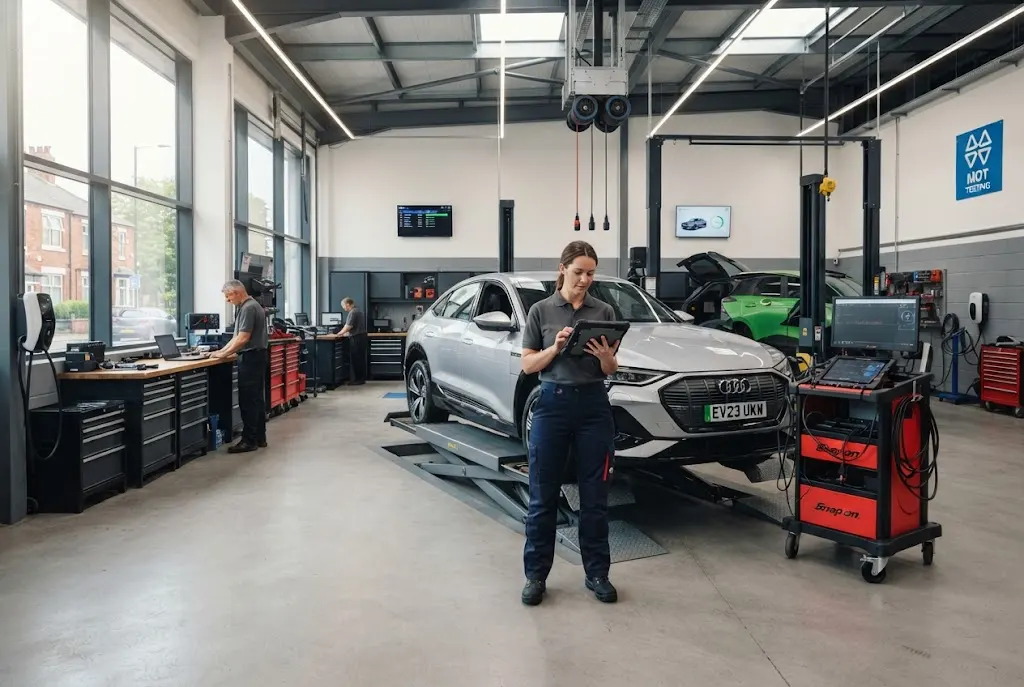
Running an automotive service business today requires more than maintaining vehicles and completing repairs. Vehicle technology is changing, customer expectations are evolving and digital tools are becoming increasingly important across workshop operations. Garages that plan for these changes can build stronger processes while preparing their teams for new service requirements.
Future-proofing does not mean replacing everything a workshop already does. It means identifying where technology, technician development, customer service and operational planning can improve the business over time. A practical strategy can help an established garage adapt without losing the expertise and service quality that customers already value.
What Does Future-Proofing an Automotive Service Business Mean?
Future-proofing an automotive service business means preparing the company to respond to changes in vehicles, technology, customer behaviour and industry requirements. The process involves assessing the current operation and identifying capabilities that may become increasingly important.
For a traditional garage, this could include developing EV knowledge, improving digital booking systems, adopting more advanced diagnostic equipment or creating better technician training programmes.
The objective is not to chase every new technology. Instead, business owners should assess which developments are relevant to their customer base and service model, then introduce them in a controlled way.
Preparing for EV Readiness
EV readiness is becoming an important consideration for garages as electric vehicles form a larger part of the vehicle market. Electric vehicles have different systems and service requirements from conventional petrol and diesel vehicles, so technicians may need additional knowledge and training.
Garages should consider which EV-related services they can safely and competently provide. This includes understanding relevant vehicle systems, appropriate diagnostic procedures and the specialist safety requirements associated with high-voltage components.
Preparation should also extend beyond equipment. A workshop needs technicians who understand the appropriate procedures and managers who can determine which services are within the business’s current capabilities.
Investing in Technician Development
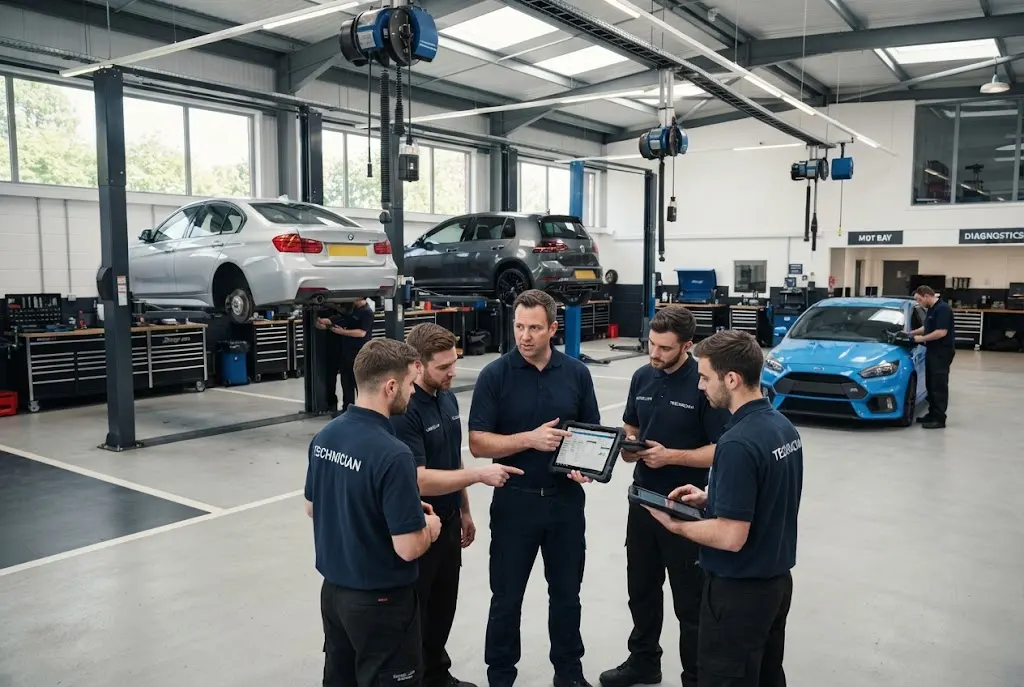
Technology does not remove the need for skilled technicians. In many cases, it changes the knowledge technicians need. Technician development should therefore be treated as a long-term investment rather than an occasional training exercise.
Training programmes can help staff develop knowledge in areas such as modern diagnostics, EV systems, electronic vehicle networks and new repair procedures. Businesses can also identify individual development needs based on the services they intend to introduce.
A structured approach helps the workshop build capability gradually. It can also support employee engagement because technicians can see a pathway for developing their skills as vehicle technology changes.
Digital Transformation in the Workshop
Digital transformation can affect almost every part of an automotive business. Online booking, digital job cards, customer databases, electronic inspection reports and automated appointment reminders can reduce administrative work and improve access to information.
For customers, digital systems can make booking and communication more convenient. For managers, they can provide a clearer view of workshop capacity, technician workloads, vehicle history and customer activity.
The most useful technology is not necessarily the most complicated. A garage should prioritise systems that solve identifiable operational problems and can be adopted consistently by the team.
Understanding AI Diagnostics
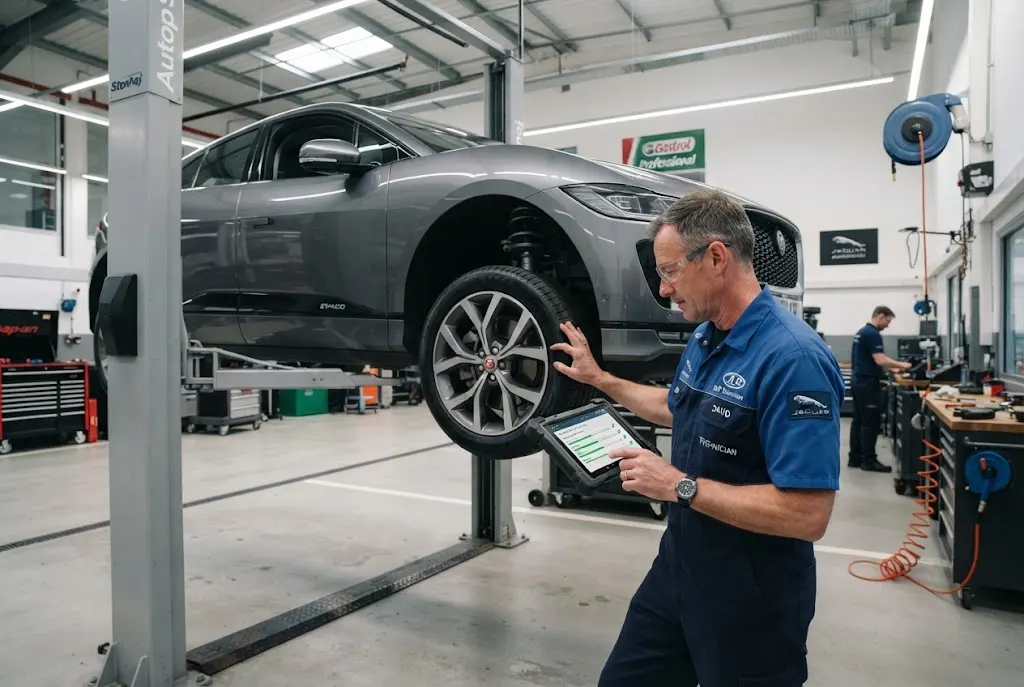
AI diagnostics is an emerging area within automotive technology. Modern diagnostic systems can process large amounts of technical information and may assist technicians with identifying patterns or narrowing down potential causes of vehicle problems.
However, technology should support rather than replace professional judgement. Diagnostic tools still depend on accurate information, appropriate testing and technicians who understand the systems being investigated.
For an automotive business, the practical question is therefore how advanced diagnostic technology can improve technician productivity and decision-making while maintaining appropriate quality controls.
Creating a Connected Workshop
A connected workshop uses digital systems to link information across different stages of the customer and vehicle journey. Booking information can feed into job records, inspection findings can be stored with vehicle history and completed work can inform future maintenance conversations.
This connected approach can reduce duplicated data entry and make customer information easier to access. It can also help technicians understand previous work before beginning a new appointment.
For managers, connected systems can provide operational information that supports better planning. Workshop capacity, outstanding jobs, technician workloads and parts requirements can be monitored more effectively when data is organised in one system.
Strengthening Business Resilience
Business resilience is closely linked to diversification, financial planning and operational flexibility. A garage that depends heavily on one type of service or one source of customer demand may face greater disruption when market conditions change.
Developing multiple service channels can create additional flexibility. For example, a workshop may combine conventional servicing with mobile auto service, inspections and specialist diagnostic work.
Service diversification should remain aligned with the workshop’s capabilities. Expanding into too many areas without adequate staff, equipment or processes can create operational problems rather than resilience.
Using Inspections as Part of Future Growth
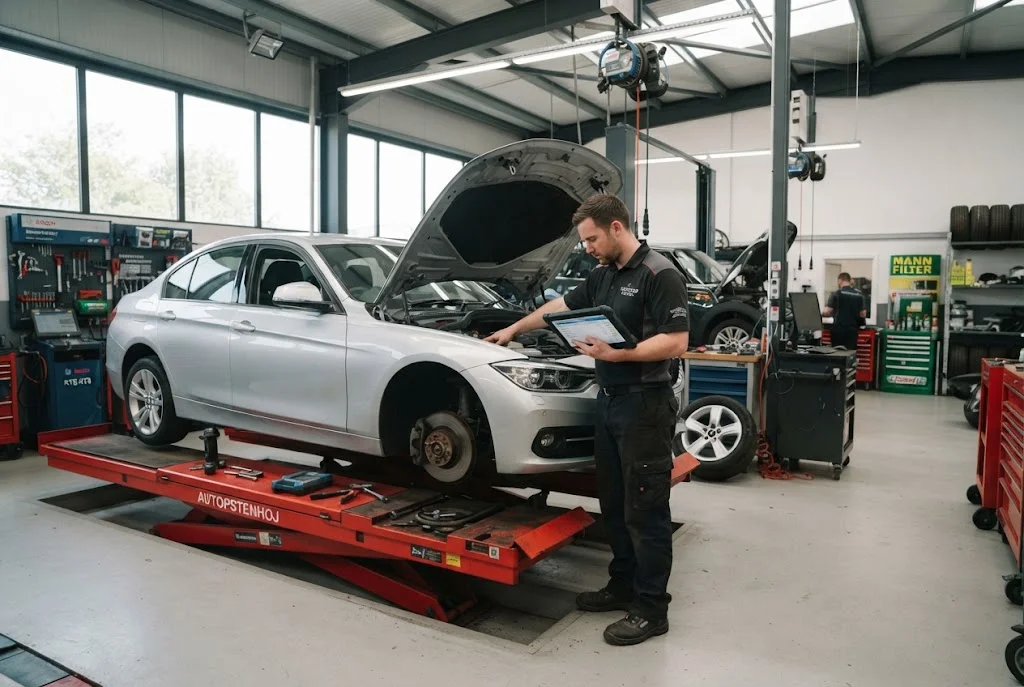
Auto inspection services can support an automotive business by creating an additional customer entry point. Vehicle owners may seek an inspection before purchasing a used vehicle, when investigating a problem or when planning future maintenance.
A professional inspection process can also generate useful vehicle information that supports later servicing conversations. Clear inspection reports give customers a record of findings and help technicians communicate recommendations.
This type of service can complement conventional repairs while providing another way for a garage to demonstrate technical expertise.
Building an Innovation Strategy
An effective innovation strategy does not require a garage to adopt every emerging product or technology. Instead, it should connect investment decisions with actual customer and operational needs.
A workshop might begin by identifying three areas where improvement would have the greatest practical impact. These could include digital bookings, diagnostic capability and technician training. Once those areas are established, the business can assess additional opportunities.
Regular reviews can then determine whether each investment is delivering useful results. This creates a more disciplined approach than purchasing technology simply because it is new.
Improving Customer Convenience
Customer expectations increasingly extend beyond the quality of the mechanical work itself. Customers may value online booking, clear estimates, digital inspection reports, appointment reminders and convenient service options.
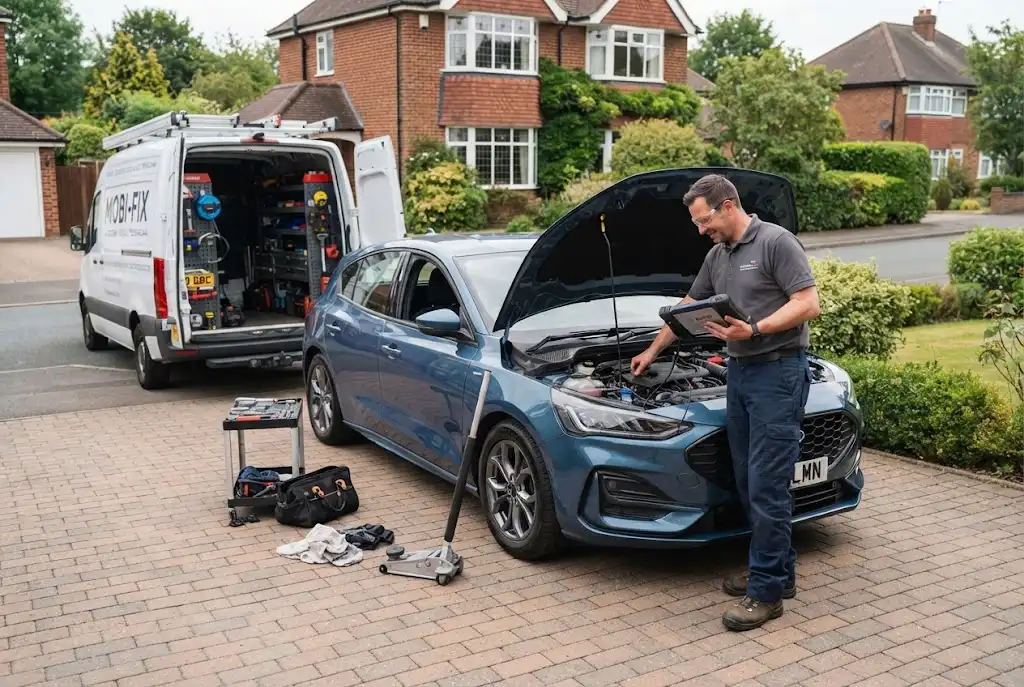
Mobile servicing can be particularly relevant here. A mobile mechanic can provide selected services at a customer’s location, creating another channel for customers who find traditional workshop visits inconvenient.
Garages should therefore consider convenience as part of their wider service design. Digital tools and flexible service options can work together to create a smoother customer journey.
Modernising Service Pricing
Future-proofing also involves reviewing how services are priced. Technology, specialist equipment and technician training can change the cost of delivering automotive services.
A garage should periodically review its car service cost structure to understand whether current prices accurately reflect labour, equipment, parts and operating expenses.
Transparent pricing is particularly important when introducing specialist services. Customers should understand what is included and why a more advanced service may have a different price from routine maintenance.
Leadership and the Future Workshop
Technology alone cannot future-proof a garage. Strong garage management is needed to introduce new processes, develop technicians and maintain consistent service standards.
Managers need to communicate why changes are being introduced and provide employees with the training required to use new systems correctly. They also need to monitor performance and make adjustments when a new process does not deliver the expected results.
This makes leadership development an important part of long-term workshop planning. A technically advanced garage still needs an organised team and clear operational processes.
Planning for Future Growth
Future growth should be connected to realistic business capacity. Before adding new services, an automotive business should consider available technicians, workshop space, equipment, training requirements and customer demand.
Growth can then happen in stages. A garage might first introduce a new diagnostic capability, train selected technicians and measure demand before expanding the service to the wider team.
This approach reduces unnecessary investment and gives management an opportunity to learn from each stage of development.
Creating a Future-Ready Automotive Service Business
A future-ready automotive service business combines technical expertise with adaptable operations. EV readiness, digital transformation, advanced diagnostics and connected workshop systems can all contribute to this development, but each investment should have a clear purpose.
The strongest foundation remains a capable team, reliable processes and a clear understanding of customer needs. Technology can then strengthen those foundations rather than attempting to compensate for weak operations.
For garage owners, future-proofing is therefore an ongoing process. Regularly reviewing customer expectations, vehicle technology, technician skills and business performance allows the workshop to adapt before changes become urgent.
By combining thoughtful innovation with effective garage management, flexible mobile services, professional inspection services and sustainable service pricing, an automotive business can create a stronger foundation for long-term development.
Future-proofing does not require predicting every change in the automotive industry. It requires building the skills, systems and operational flexibility needed to respond when those changes arrive.