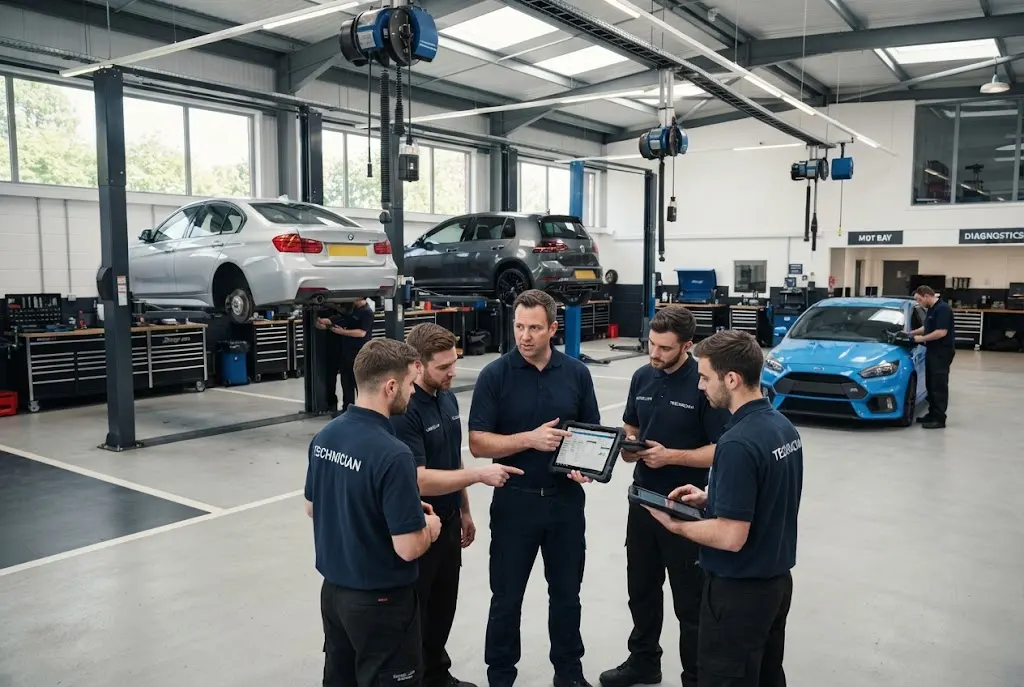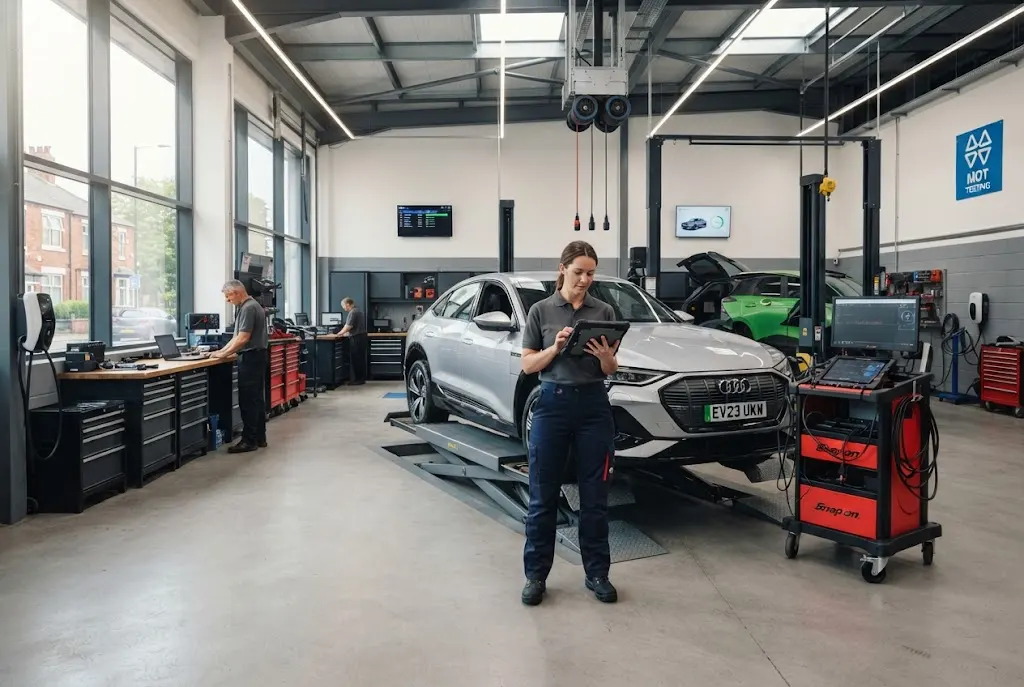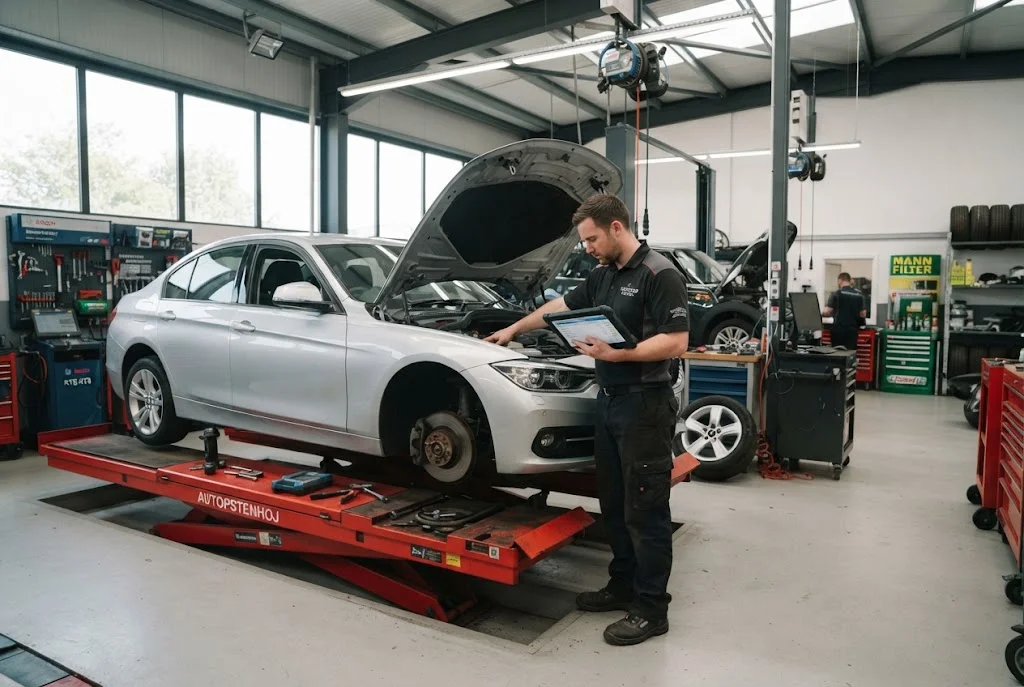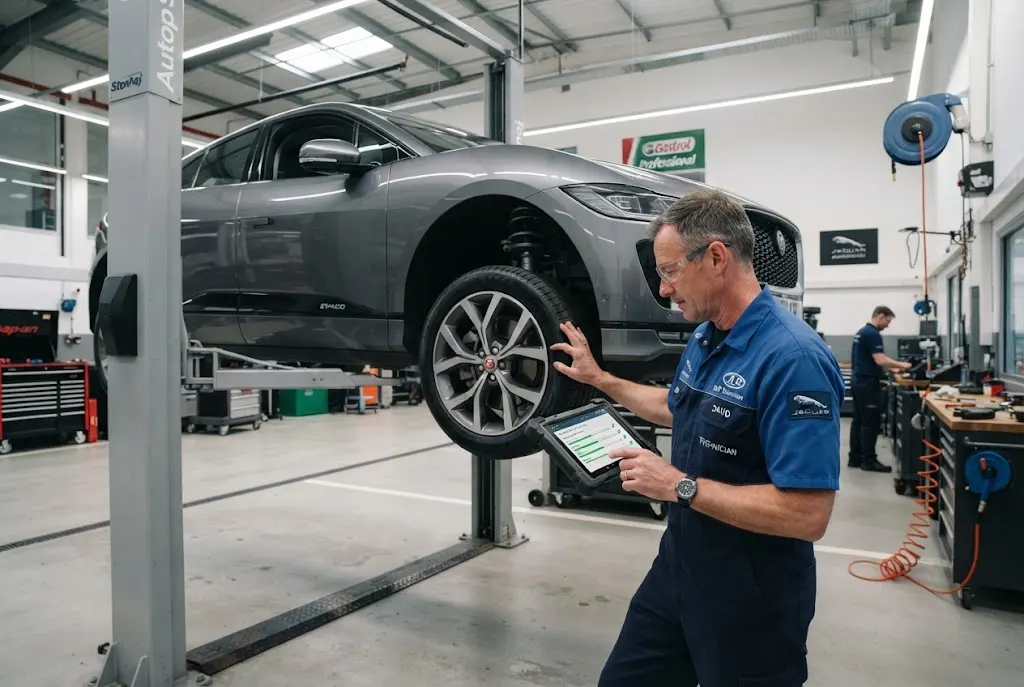
Auto inspection services give garages an opportunity to provide customers with a structured assessment of a vehicle’s condition rather than focusing only on repairs or routine maintenance. A professional inspection can help identify visible defects, potential maintenance requirements and issues that may require further investigation.
For automotive businesses, inspections can also become an important service category in their own right. Well-designed inspection packages can support customer confidence, create additional revenue opportunities and introduce vehicle owners to a garage before they need significant repair work. The key is to make the scope, process and reporting clear from the beginning.
What Are Auto Inspection Services?
Auto inspection services involve systematically examining a vehicle according to a defined checklist or inspection objective. The exact scope depends on the type of inspection and the customer’s reason for requesting it.
A general vehicle inspection may cover areas such as visible mechanical components, tyres, brakes, fluids, lights, suspension-related components and other accessible systems. A specialist inspection can be more focused, particularly when the customer has reported a specific problem.
The inspection should be clearly distinguished from a repair. An inspection identifies and documents findings, while repair work addresses a confirmed problem. Keeping these stages separate helps customers understand what they are paying for and what may be recommended afterwards.
Why Vehicle Inspection Services Matter
A structured vehicle inspection can provide useful information before a customer commits to additional work. Instead of relying solely on symptoms or assumptions, technicians can assess relevant areas and document their findings.
For vehicle owners, this can make maintenance decisions easier to understand. A written report can explain which issues require attention, which items may need monitoring and whether further diagnostic work is appropriate.
For garages, inspections can also create a more organised workflow. Technicians follow a defined process, while customers receive a consistent explanation of the vehicle’s condition.
Pre-Purchase Inspections for Used Vehicles
Pre-purchase inspections are particularly relevant to customers considering a used vehicle. Buyers may want an independent assessment before completing a purchase, especially when they have limited knowledge of mechanical systems.
A suitable inspection can examine the vehicle for signs of wear, damage, maintenance issues and other observable concerns. Depending on the service offered, the technician may also review relevant documentation and identify areas that deserve further investigation.
The purpose should be clear: an inspection provides information about the vehicle at the time it is assessed. It should not be presented as a guarantee of future reliability or as a substitute for every possible specialist examination.
Diagnostic Inspections and Fault Investigation
Diagnostic inspections take a different approach from a general condition check. They are usually initiated because a customer has noticed a warning light, unusual noise, performance problem or another symptom.
The technician may use visual checks, testing procedures and appropriate diagnostic equipment to determine the likely source of the problem. In some cases, further investigation may be necessary before a definitive cause can be established.
Separating diagnostic time from repair pricing can make the process clearer. Customers can first pay for the investigation and then decide how they want to proceed once the findings are explained.
Safety Inspections and Preventive Checks
Safety inspections focus on components and conditions that can affect the safe operation of a vehicle. Depending on the inspection scope, this may include tyres, braking components, lighting, steering, suspension and other relevant areas.
Preventive checks can also help identify developing problems before they become more disruptive. However, the inspection checklist should be appropriate to the service being sold, and technicians should clearly communicate any limitations.
For UK motorists, inspections should not be confused with the statutory MOT process. The GOV.UK MOT guidance explains the official MOT framework and requirements.
Creating Professional Inspection Reports
An inspection report turns the technician’s observations into information that a customer can understand. A useful report should identify the areas checked, describe relevant findings and distinguish between items that require immediate attention and those that may need monitoring.
Digital reporting can make this process easier. Technicians can record findings electronically, attach appropriate photographs where useful and create a consistent record for the customer.
Clear wording matters. Technical terminology should be explained where necessary so that customers understand what an issue means and why further work may be recommended.
Developing Inspection Packages
Inspection packages can help garages present different levels of service according to customer requirements. Instead of offering one generic inspection, a business might create packages for routine vehicle checks, used-car assessments or more detailed diagnostic investigations.
Each package should have a clearly defined scope. Customers should know what the technician will inspect, whether a written report is included and what happens if additional problems are discovered.
Packaging can also make pricing easier to communicate. A customer who understands the difference between a basic inspection and a more comprehensive assessment can select the service that matches their needs.
Positioning Inspections as Premium Services
Some inspections can be positioned as premium services when they involve additional technician expertise, more extensive checks, detailed reporting or specialist diagnostic equipment.
The premium element should be based on genuine additional value rather than simply a higher price. Customers need to understand what makes the service more comprehensive and why the additional work is useful.
This approach can be particularly relevant to complex vehicles, specialist diagnostics and pre-purchase assessments where customers may place a high value on detailed information before making a significant decision.
Value-Added Offerings for Existing Customers
Inspections can also become value-added offerings within a broader workshop service. For example, a garage completing routine maintenance may offer an appropriate vehicle condition check as part of the appointment.
The additional assessment can help identify items that deserve attention while the vehicle is already in the workshop. However, recommendations should remain transparent and evidence-based rather than turning every inspection into an automatic sales opportunity.
This approach supports trust. Customers should be able to distinguish between necessary work, recommended maintenance and optional improvements.
How Inspection Services Connect With Car Service Pricing
The commercial structure of inspections should fit into the garage’s wider car service cost and pricing model. Inspection work involves technician time, equipment, reporting and administrative effort, all of which should be considered when setting prices.
Charging appropriately for inspection expertise also helps ensure technicians have enough time to complete the work properly. A price that is too low may encourage rushed inspections or create pressure to generate revenue through unnecessary repairs.
A clear inspection price gives customers a straightforward starting point. If further repair or diagnostic work is required, that work can then be quoted separately where appropriate.
Using Inspections With Mobile Services
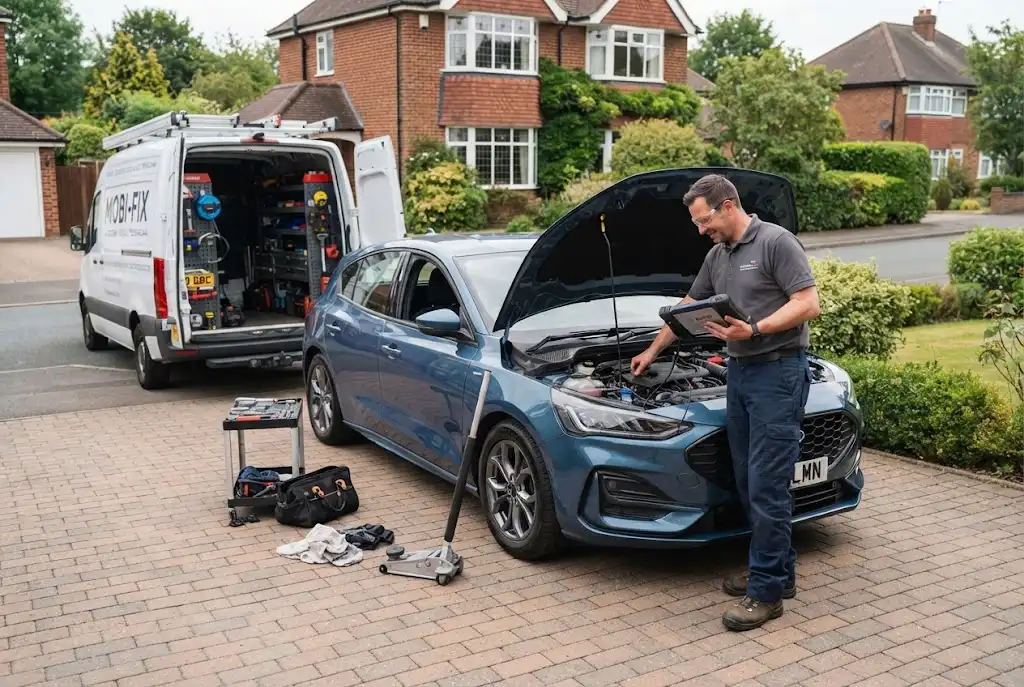
Some inspection services can complement a mobile auto service model. A mobile technician may be able to assess a vehicle at a customer’s home, workplace or another suitable location, depending on the inspection requirements.
This can be useful for customers who are purchasing a vehicle located away from their home. A mobile inspection can provide an assessment without requiring the prospective buyer to travel before deciding whether to proceed.
Mobile inspection work does require careful planning. The technician needs suitable equipment, adequate working conditions and enough time to complete the agreed inspection scope.
Turning Inspection Findings Into Better Customer Communication
Inspection results are most useful when they lead to clear customer communication. Instead of simply listing faults, technicians can explain what was observed, why it matters and whether additional investigation is recommended.
Photos can be useful when they genuinely help demonstrate a condition or explain a recommendation. Consistent reporting also gives customers a record they can refer to when planning future maintenance.
This communication style can support long-term relationships because customers see the garage as a source of information as well as a place where repairs are performed.
Inspection Services and Garage Growth
Developing inspection services can form part of a wider automotive service business strategy. Unlike repair work, inspections can attract customers at different stages of vehicle ownership.
A customer might book a pre-purchase inspection before buying a vehicle, return for an initial service after purchasing it and later use the same garage for repairs and scheduled maintenance.
This creates opportunities for a garage to build relationships earlier in the vehicle ownership cycle. It also diversifies the service menu rather than relying exclusively on repair demand.
Managing Inspection Quality
Consistent quality is essential when developing auto inspection services. Garages should establish clear inspection checklists, reporting standards and procedures for escalating issues that require additional diagnostic work.
Technician training is equally important. Staff should understand the scope of each inspection package and know how to document findings accurately.
Effective garage management can help maintain consistency by tracking inspection volumes, customer feedback, technician performance and follow-up work. These insights can reveal which inspection services customers value and where processes can be improved.
Building a Sustainable Inspection Service
A successful inspection offering combines technical quality with clear customer communication. The service should have a defined purpose, realistic scope, transparent pricing and a reporting process that turns technical findings into useful information.
Garages can then develop different inspection options according to customer needs rather than creating unnecessarily complicated packages. The strongest offerings are easy to understand and deliver a clear reason for the customer to book.
As automotive technology becomes more complex, inspection services can also evolve. Diagnostic capabilities, technician development and suitable digital reporting tools can help garages respond to changing customer expectations.
Ultimately, auto inspection services can become a valuable part of a modern automotive business. By combining structured vehicle inspections, clear reports, suitable inspection packages and transparent communication, garages can create a service that supports customers before, during and after repair decisions.
For businesses developing their wider service portfolio, inspections can work alongside mobile auto services, transparent service pricing, broader business development and effective garage management.