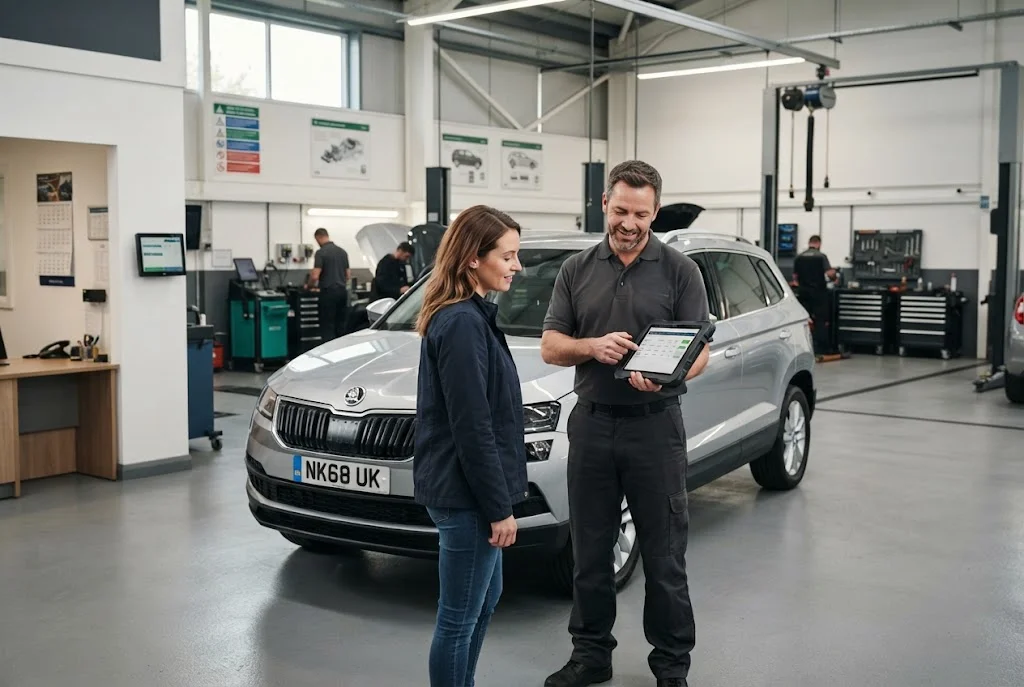
Car service plans can give automotive businesses a structured way to manage routine maintenance while creating a more predictable relationship with customers. Instead of waiting for motorists to return when a service becomes due, a garage can offer clearly defined maintenance plans that make future servicing easier to understand and budget for.
For a modern workshop, the opportunity goes beyond selling individual services. Well-designed plans can support customer loyalty, improve retention and create recurring revenue. However, profitability depends on careful pricing, realistic service inclusions and efficient workshop management. A successful plan should provide genuine value for the customer while remaining commercially sustainable for the garage.
Why Car Service Plans Matter for Modern Garages
Routine vehicle maintenance is naturally recurring. Cars require servicing, inspections and other maintenance at different intervals depending on the vehicle, its usage and manufacturer recommendations. Yet customers do not always return to the same garage for every visit.
A service plan gives the garage an opportunity to establish a clearer long-term relationship. Rather than treating every appointment as a completely new sales opportunity, the business can create a defined maintenance journey.
This approach can complement the broader digital transformation of an auto service garage. Digital booking, customer records and service reminders can help the workshop manage plan members and maintain consistent communication.
What Should Car Service Plans Include?
There is no single structure that works for every automotive business. The contents should reflect the services the garage can deliver consistently and the needs of its target customers.
A maintenance plan might include selected routine services such as:
- Scheduled servicing
- Routine vehicle inspections
- Oil and filter servicing where appropriate
- Maintenance checks
- Service reminders
- Selected labour or inspection benefits
- Priority booking arrangements
- Digital service records
Garages should be precise about what is included and what is excluded. Wear-and-tear items, unexpected repairs, replacement parts and specialist work may need separate pricing depending on the structure of the plan.
Clear terms reduce misunderstandings and help customers understand exactly what they are paying for.
Maintenance Plans Should Be Easy to Understand
A common mistake is creating packages with too many complicated options. Customers should be able to understand the main benefit of a plan without studying a lengthy list of conditions.
A garage could, for example, create different levels based on the amount of routine maintenance included. Each level should have a clear purpose and transparent pricing.
The right structure depends on the garage’s customer base. A business serving drivers who mainly need predictable annual maintenance may need a different offering from a workshop serving high-mileage motorists.
How Prepaid Servicing Can Improve Predictability
Prepaid servicing allows customers to pay in advance for agreed maintenance. From the customer’s perspective, this can make future servicing costs easier to plan. From the garage’s perspective, it can establish a clearer relationship with customers before the next appointment is due.
However, prepaid arrangements need careful financial planning. The business should understand the likely cost of labour, parts and workshop capacity associated with each plan. Pricing a package too aggressively can create problems when customers use more of the included services than expected.
Garages should therefore calculate expected costs before deciding what each package includes. The objective is to create a sustainable commercial model rather than simply making the initial offer appear inexpensive.
Creating Annual Service Plans Around Customer Needs
Annual service plans can be particularly straightforward because customers can understand the concept of maintaining their vehicle on a regular yearly cycle. The actual servicing interval should still be determined according to the relevant vehicle requirements rather than assuming every vehicle needs identical treatment.
An annual plan can combine scheduled maintenance with reminders and customer communication. The garage can use the customer’s service history to identify when future work is likely to become relevant.
This makes the plan part of an ongoing maintenance relationship rather than a standalone discount product.
Maintenance Packages and Profitability
A profitable maintenance package needs to balance three factors: customer value, workshop cost and operational capacity.
If the package contains too many expensive inclusions, the garage may struggle to maintain margins. On the other hand, if customers perceive that the package offers little value, adoption may remain low.
Before launching a package, consider:
- The average cost of each included service
- Expected customer usage
- Technician labour requirements
- Parts and consumables
- Workshop capacity
- Administrative costs
- Potential repeat business
- Customer acquisition and retention benefits
These calculations can help establish pricing that is commercially realistic.
How Service Plans Support Customer Loyalty
Customer loyalty is one of the potential benefits of a well-designed maintenance programme. When customers have already committed to a plan, there is a natural reason to return to the same garage for the services covered by that agreement.
However, loyalty should not depend solely on contractual commitment. Customers are more likely to remain with a garage when the business consistently provides good communication, transparent recommendations and reliable service.
For that reason, a service plan should support the customer experience rather than attempt to compensate for poor service quality.
Using Digital Service Booking for Plan Members
Digital booking can make a service plan easier to use. Instead of requiring customers to call every time they need to arrange routine maintenance, a garage can provide an online booking route where appropriate.
The booking process can identify the customer and vehicle, allowing the workshop to access relevant service information before the appointment. This can reduce unnecessary administration and make the customer journey more convenient.
Digital systems can also support reminders when a scheduled maintenance event is approaching. Combined with structured garage software and digital operations, this can make plan administration more consistent.
Recurring Revenue Requires Reliable Retention
Recurring revenue can make income more predictable, but signing customers up is only the beginning. The garage needs a process for keeping customers engaged and delivering the promised value throughout the plan period.
Service reminders, useful maintenance information and timely appointment communications can help customers stay connected with the workshop. At the same time, staff should avoid excessive promotional messages that make the relationship feel purely sales-driven.
Retention is strongest when the plan makes routine maintenance genuinely easier for the customer.
Build a Retention Strategy Around Service Quality
A strong retention strategy should extend beyond pricing. Customers can compare prices easily, but a garage can differentiate itself through convenience, communication and consistency.
Consider creating a process for each stage of the relationship:
- Explain the plan clearly before purchase.
- Record the customer’s vehicle and maintenance information accurately.
- Send appropriate reminders before servicing is due.
- Make appointment booking straightforward.
- Keep customers informed about work covered by the plan.
- Explain additional recommended repairs separately.
- Record completed maintenance for future reference.
- Follow up appropriately after the appointment.
This creates a repeatable customer journey that can be supported by workshop technology and customer management systems.
How to Measure a Service Plan
Once a plan is launched, the garage should monitor its performance rather than assuming that subscriptions automatically mean profitability.
Useful measures can include the number of active members, renewal rates, appointment utilisation, average revenue per customer, workshop capacity, plan-related costs and additional work generated during visits.
It is also useful to monitor customer feedback. If members repeatedly ask about the same exclusions or complain that booking is difficult, the plan structure or supporting process may need improvement.
Start Small and Improve the Programme
Garages do not necessarily need a large portfolio of plans from day one. Starting with one clearly defined maintenance package can make it easier to understand customer behaviour and workshop impact.
After collecting real operational data, the business can refine pricing, inclusions and communication. Additional packages can then be introduced when there is a clear customer need.
This gradual approach also makes staff training easier and reduces the risk of introducing a complicated programme that the workshop cannot administer consistently.
Final Thoughts on Building Profitable Car Service Plans
Car service plans can turn routine vehicle maintenance into a more structured long-term customer relationship. When properly designed, they can provide convenience for motorists while supporting customer loyalty, retention and recurring revenue for automotive businesses.
The key is to build the plan around real workshop economics and genuine customer needs. Clear inclusions, transparent pricing, efficient booking and reliable communication are more important than creating an unnecessarily complicated subscription model.
For garages already improving their digital operations, service plans can become another part of a connected customer journey. With the right processes and careful measurement, a maintenance programme can support both customer relationships and sustainable workshop growth.